Latest news

Classic list

Globally incubate standards compliant channels before scalable benefits. Quickly disseminate superior deliverables whereas web-enabled applications.

ivf-success-rates-by-age-1-1200x675.webp

Are you standing at a crossroads or family planning, wondering if now is the right time to pursue IVF? You’re not alone in this deeply personal decision. For many,  in vitro fertilisation (IVF) represents hope, possibility, and  path to parenthood –but timing is everything. One question looms large:

“What is the best age for IVF success?”

The truth is, age isn’t just a number when it comes to fertility– it’s a critical factor that can shape your IVF journey. Whether you’re in your 20s dreaming of a future family, navigating your 30s with a ticking biological clock, or exploring options in your 40s, understanding how age influences IVF outcomes empowers you to make informed, confident choices.

IVF Success Rates by Age group

IVF success is directly related to the quantity and quality of the eggs, which by nature fluctuate with age. When reserves in the ovaries are high and eggs are healthy, success chances are the best. With progressive deterioration in the quality of eggs, success could be slightly less, although many achieve pregnancy with proper medical treatment. As eggs continue to age, the process can become increasingly difficult, but contemporary methods such as sophisticated IVF methods or donor eggs tend to overcome such obstacles.

The trend is evident – earlier attempts tend to have better prospects, but IVF still makes things possible even at older ages with the right planning and guidance.

Why does age impact IVF Success?

As women age, two critical changes occur:

  1. Egg quantity declines: You are born with a finite number of eggs, and by your 30s, your ovarian reserve shrinks significantly.
  2. Egg quality decreases: Older eggs are more likely to have chromosomal issues reducing IVF success.

This is why advanced techniques like Preimplantation Genetic Testing (PGT) are often recommended after 35 to boost your chances.

Should you freeze your eggs?

If you are not ready for a baby yet, egg freezing in your late 20s or early 30s is a game changer. It preserves your younger, healthier eggs for future IVF cycles, giving you flexibility and higher success rates down the road.

IVF after 35 0r 40: Is it worth it?

Absolutely, but realistic expectations are key. After 35,  IVF is still highly effective, especially with tailored protocols or donor eggs. After 40, success rates drop, but many women achieve pregnancy with donor eggs or by optimizing embryo quality. Consult a fertility specialist to craft a plan that fits your unique needs.

When to start IVF?

Consider IVF if :

  • You’re 35 and haven’t conceived naturally after 6 months.
  • You face fertility challenges like PCOS or low AMH.
  • Previous treatments like IUI haven’t worked.
  • You’re planning a later pregnancy and want to preserve fertility

Your IVF journey starts now…

Timing is everything in your IVF journey, and while under 35 is ideal for peak success, hope shines bright at any age. With personalized strategies, cutting-edge techniques and expert guidance, women in their 30s, 40s and beyond are embracing parenthood through IVF.

Don’t let age hold you back –take the first step now. Consult a fertility specialist, explore your options and unlock the possibilities of building your dream family. Your IVF success story starts with one bold decision today!


1695361768iui-vs-ivf-which-fertility-treatment-option-is-right-for-you.webp

Struggling to conceive can be an emotional rollercoaster, and choosing the right fertility treatment feels like a daunting task. If you’re exploring options like IVF (In Vitro Fertilisation) or IUI (Intrauterine Insemination), you’re not alone —thousands of couples search for answers to questions like “Is IUI better than IVF for first-time couples?” or “Which is more successful: IVF or IUI? This blog breaks down the key differences, success rates, costs, and factors to help you decide which treatment is best for your journey to parenthood.

 IVF vs IUI : Key Differences

Understanding the core difference between IVF and IUI is the first step to making an informed choice:

  • IUI (Intrauterine Insemination) – A simpler, less invasive procedure where specially prepared sperm are placed directly into the uterus during ovulation, reducing the sperm’s journey to the egg and increasing chances of fertilization. This process supports natural fertilization inside the body, making it a popular first step for couples with mild fertility issues.
  • IVF (In Vitro Fertilisation) – A more advanced fertility treatment involving several steps. First, the ovaries are stimulated with hormones to produce multiple eggs. These eggs are then retrieved and fertilized outside the body in a laboratory setting. The resulting embryos are monitored, and the healthiest one(or more) is transferred into uterus. IVF is particularly beneficial for couples facing blocked fallopian tubes, severe male infertility, age- related factors, PCOS, or when other treatments (like IUI) have not worked.

IVF vs IUI Pros and Cons

IUI

  • Less invasive and less expensive
  • Minimal use of medications
  • Lower per-cycle success rates
  • Best for mild infertility issues and first line treatment

IVF

  • Higher success rates, especially for complex cases
  • Can help with a wider range of fertility problems
  • More invasive, involving hormone Injections, egg retrieval, and embryo transfer
  • Higher costs and time commitment

Is IUI or IVF Right for You?

  • Choose IUI if – You are under 35, have mild fertility issues (e.g., unexplained infertility), or want a less invasive option.
  • Choose IVF if – You’re over 35, have blocked tubes, severe male infertility, PCOS, or endometriosis, or after 3–6 failed IUI cycles.

PCOS or age-related concerns? IVF often outperforms IUI for these conditions.

Pain comparison: IVF vs IUI 

  • IUI– Feels like a Pap smear— quick and minimally

. IVF– Involves injections and egg retrieval (under anaesthesia). It’s more invasive but manageable.

How to decide: IVF or IUI?

Ask your fertility specialist:

  • What’s causing our infertility?
  • How long have we been trying?
  • Are age or sperm qualities factors?
  • What’s our budget?

Your doctor will guide you based on your health and fertility goals

Final Take: IVF or IUI?

Choosing between IUI and IVF is a deeply personal decision, but both offer hope on your journey to parenthood. IUI is a great starting point for younger couples with mild issues, while IVF offers higher success for complex cases or those over 35 age group. Partner with a trusted fertility expert to explore your options and take confidence steps toward building your family. Your dream of holding your little one is closer than you think– start your journey today!


01/Aug/2025

Hello Reader!

Welcome to the blog page of Dr. Soumya Dash, the best infertility specialist in Bhubaneswar. 

Thyroid disorders are common during pregnancy and, if left unmanaged, can impact both mother and baby. Hormonal changes in the body influence thyroid function, making it essential to monitor and control thyroid function during pregnancy. As the Best Infertility Specialist in Bhubaneswar, I have encountered numerous cases where early intervention and proper management have helped ensure a safe and healthy pregnancy.

In this blog, we will discuss what thyroid issues can occur during pregnancy, their effects, and most importantly, how to control the thyroid during pregnancy effectively.

best fertility spcialist in bhubaneswar , Fertility Doctor in Odisha, Best Infertility Specialist in Bhubaneswar, Thyroid During Pregnancy

Understanding Thyroid During Pregnancy

The thyroid is a small, butterfly-shaped gland located in the neck that produces hormones regulating metabolism. During pregnancy, your body needs more thyroid hormones to support fetal development, especially in the first trimester. There are mainly two types of thyroid disorders:

  • Hypothyroidism (underactive thyroid): Commonly caused by Hashimoto’s thyroiditis.

  • Hyperthyroidism (overactive thyroid): Often associated with Graves’ disease.

When it comes to managing thyroid during pregnancy, early detection and treatment are crucial. Regular screening can prevent complications such as miscarriage, preeclampsia, preterm birth, and developmental issues in the baby.

Symptoms of Thyroid Disorders in Pregnancy

Recognizing the signs of thyroid imbalance can help in timely diagnosis. Here are some common symptoms:

Hypothyroidism Symptoms:

  • Fatigue

  • Constipation

  • Cold intolerance

  • Dry skin

  • Depression

  • Weight gain

Hyperthyroidism Symptoms:

  • Increased heart rate

  • Anxiety

  • Excessive sweating

  • Weight loss

  • Tremors

  • Insomnia

If you notice any of these symptoms, consult the Best Infertility Specialist in Bhubaneswar for proper screening and diagnosis.

best fertility spcialist in bhubaneswar , Fertility Doctor in Odisha, Best Infertility Specialist in Bhubaneswar, Thyroid During Pregnancy

Why Thyroid Control Is Crucial During Pregnancy

An uncontrolled thyroid during pregnancy can lead to:

  • Miscarriage or stillbirth

  • Poor fetal growth

  • Low birth weight

  • Preterm labor

  • Developmental delays in the child

As the Best Infertility Specialist in Bhubaneswar, I recommend that every pregnant woman have their thyroid function tested early in pregnancy or even before conception if they have a history of thyroid disorders.

best fertility spcialist in bhubaneswar , Fertility Doctor in Odisha, Best Infertility Specialist in Bhubaneswar, Thyroid During Pregnancy

How does the thyroid gland during pregnancy impact fetal brain development?

The thyroid gland during pregnancy plays a fundamental role in fetal brain development, especially during the first trimester when the fetus is entirely dependent on maternal thyroid hormones for neurodevelopment. Adequate maternal thyroid hormone levels—primarily thyroxine (T4)—are critical for processes such as neural cell proliferation, cortical development, neuronal migration, and overall brain architecture.


Key impacts of the thyroid during pregnancy on fetal brain development include:

  • Impaired Cognitive and Motor Development: Maternal hypothyroidism (low thyroid hormone) during pregnancy, even in mild or subclinical cases, is associated with lower IQ, delayed neurological maturation, and psychomotor impairments in the child. The adverse effects of thyroid hormone deficiency can be irreversible, particularly if not corrected early in gestation.
  • Reduced Brain Volume: Both low and high maternal thyroid function are linked to smaller total grey matter and cortical volume in children, highlighting the importance of balanced thyroid levels.
  • Risk of Neurodevelopmental Disorders: Children born to mothers with thyroid disorders during pregnancy show higher incidences of developmental delays, learning disabilities, and may also display an increased frequency of behavioral issues such as ADHD-like symptoms.
  • Critical Time Window: The most vulnerable period is early gestation, before the fetal thyroid becomes functional (around 12–14 weeks). During this period, the maternal supply of thyroid hormone is essential for proper cortical and neurological development.

Also Read: Preparations needed before starting IVF

best fertility spcialist in bhubaneswar , Fertility Doctor in Odisha, Best Infertility Specialist in Bhubaneswar, Thyroid During Pregnancy

What are the risks of an uncontrolled thyroid during pregnancy?

Uncontrolled thyroid during pregnancy in Bhubaneswar, as in other places, poses significant risks to both mother and baby. Key complications from unmanaged thyroid disorders (hypothyroidism or hyperthyroidism) during pregnancy include:

  • Miscarriage and stillbirth: Untreated thyroid imbalances increase the risk of pregnancy loss.
  • Preterm birth: Babies may be born before 37 weeks, which can threaten their survival and long-term health.
  • Low birth weight: Newborns can have low birth weight, leading to further health challenges.
  • Preeclampsia: This dangerous rise in blood pressure during late pregnancy can affect major organs like the kidneys, liver, and heart.
  • Placental abruption: Early separation of the placenta from the uterine wall before birth, causing complications for both mother and baby.
  • Neurodevelopmental issues: Untreated hypothyroidism, especially, can lead to impaired brain development in the fetus, causing lower IQ and delayed motor and cognitive development in the child.
  • Heart failure and thyroid storm: Severe, uncontrolled hyperthyroidism can lead to maternal heart failure and a life-threatening thyroid storm, which needs emergency treatment.
  • Autoimmune thyroid problems in the baby: Babies can have thyroid enlargement (goiter) or thyroid dysfunction due to maternal antibodies crossing the placenta.

Regular monitoring and management by a specialist, such as the Best Infertility Specialist in Bhubaneswar, is crucial to minimize these risks and support healthy pregnancy outcomes.

best fertility spcialist in bhubaneswar , Fertility Doctor in Odisha, Best Infertility Specialist in Bhubaneswar, Thyroid During Pregnancy

Why is managing thyroid levels crucial for avoiding birth defects?

Managing thyroid levels during pregnancy is crucial to avoid birth defects because thyroid hormones play an essential role in the development of the fetal brain and nervous system, particularly in early pregnancy when the fetus depends entirely on maternal thyroid hormones. Inadequate thyroid hormone levels, especially due to hypothyroidism, can lead to irreversible effects like impaired cognitive development, lower IQ, and delayed neurological maturation in the child. Uncontrolled thyroid dysfunction increases risks, including miscarriage, premature birth, low birth weight, and developmental abnormalities that can manifest as neurodevelopmental disorders or physical birth defects.


In Bhubaneswar, as elsewhere, uncontrolled thyroid conditions during pregnancy can severely affect fetal growth and organ development, raising the chance of birth complications. Proper management—with regular testing, medication adjustments, and specialist care—is key to ensuring healthy fetal growth and minimizing these risks. Early diagnosis and treatment by a specialist, such as an infertility specialist in Bhubaneswar, helps protect both maternal health and fetal well-being.


To summarize the critical reasons:

  • Maternal thyroid hormones are vital for fetal brain and organ development.
  • Imbalances (hypo- or hyperthyroidism) increase the risk of miscarriage, premature birth, and low birth weight.
  • Thyroid dysfunction can cause neurodevelopmental disorders or birth defects.
  • Early and ongoing management reduces these risks and promotes healthy outcomes.

Therefore, managing thyroid levels carefully during pregnancy in Bhubaneswar is essential to avoid birth defects and ensure the best possible health for mother and baby.

best fertility spcialist in bhubaneswar , Fertility Doctor in Odisha, Best Infertility Specialist in Bhubaneswar, Thyroid During Pregnancy

How does maternal thyroid dysfunction increase neurodevelopmental disorder risks in children?

Maternal thyroid dysfunction during pregnancy—whether hypothyroidism (low thyroid hormone levels) or hyperthyroidism (excess thyroid hormone)—increases the risk of neurodevelopmental disorders in children through several biological mechanisms that impair fetal brain development:

  • Thyroid hormones are critical for brain development: In early pregnancy, before the fetal thyroid is functional (about 12–14 weeks), the fetus depends entirely on maternal thyroid hormones, especially thyroxine (T4), for neurodevelopmental processes such as neuronal proliferation, migration, differentiation, and myelination. Deficiency or excess disrupts these processes.
  • Impairment of neuronal migration and brain structure formation: Thyroid hormones regulate the production of proteins like Reelin needed for guiding neurons to their correct positions in brain areas, including the cerebellum, corpus callosum, and cerebral cortex, which are essential for motor and cognitive functions. Dysfunction leads to abnormal brain architecture and reduced brain volumes associated with cognitive impairments.
  • Increased risk of neurodevelopmental disorders: Maternal thyroid dysfunction is consistently linked with heightened risks of Autism Spectrum Disorder (ASD), Intellectual Disability, Attention Deficit Hyperactivity Disorder (ADHD), and behavioral/emotional problems in offspring. For example, uncontrolled hypothyroidism and hyperthyroidism during pregnancy have been associated with roughly 2–3 times increased risk of ASD, with severity related to the duration and timing of thyroid imbalance.
  • Dose and timing effects: The longer the maternal thyroid hormone imbalance persists during pregnancy (especially early gestation), the higher the risk of neurodevelopmental disorders in the child. Early pregnancy is a particularly vulnerable period due to critical brain developmental windows.
  • Other associated mechanisms: Maternal thyroid dysfunction can also induce epigenetic changes, alter fetal immune development, and affect neuroinflammation, further contributing to abnormal brain development and later neurodevelopmental symptoms.

Treatment with levothyroxine or antithyroid medication during pregnancy can mitigate some risks, but the evidence on preventing neurodevelopmental disorders remains mixed, especially when treatment starts after the first trimester.


Tips to Control Thyroid During Pregnancy

Here are scientifically backed methods to manage the thyroid during pregnancy:

1. Regular Thyroid Function Tests

Get your TSH, Free T4, and sometimes T3 levels checked regularly. Monitoring helps in adjusting medications accordingly.

2. Medication Compliance

For hypothyroidism, doctors generally prescribe levothyroxine. For hyperthyroidism, antithyroid medications like propylthiouracil (PTU) are given in early pregnancy. Never stop or adjust your dose without consulting the Best Infertility Specialist in Bhubaneswar.

3. Follow an Iodine-Rich Diet

Iodine is vital for thyroid hormone production. Include:

  • Dairy products

  • Iodized salt

  • Eggs

  • Fish

But avoid overconsumption, as excess iodine can also cause thyroid dysfunction.

4. Avoid Goitrogens in Excess

Foods like cabbage, cauliflower, soy, and broccoli should be consumed in moderation, especially if you are hypothyroid, as they may interfere with thyroid function.

5. Manage Stress

Stress impacts the endocrine system. Incorporate yoga, meditation, or breathing exercises to keep stress in check.

6. Get Enough Selenium and Zinc

These nutrients support thyroid hormone metabolism. Include nuts (especially Brazil nuts), seeds, meat, and legumes in your diet.

7. Stay Physically Active

Engage in light to moderate exercise, as advised by your doctor, to regulate metabolism and hormone function.

When to Consult a Specialist?

If you:

  • Have a known thyroid disorder

  • Have a family history of thyroid disease

  • Are you experiencing unusual fatigue, weight changes, or mood swings

  • Have had difficulty conceiving

Then it’s time to consult the Best Infertility Specialist in Bhubaneswar for personalized guidance and safe thyroid management during pregnancy.

best fertility spcialist in bhubaneswar , Fertility Doctor in Odisha, Best Infertility Specialist in Bhubaneswar, Thyroid During Pregnancy

FAQ

1. Why is it important to control thyroid during pregnancy?

Uncontrolled thyroid can lead to complications like miscarriage, preterm birth, low birth weight, and developmental issues in the baby. Managing thyroid ensures a healthy pregnancy for both mother and child.

2. How often should thyroid levels be checked during pregnancy?

Thyroid levels should be checked in early pregnancy and then every 4–6 weeks or as advised by your doctor to ensure proper control.

3. Can I take thyroid medication while pregnant?

Yes, thyroid medications like levothyroxine (for hypothyroidism) are safe during pregnancy when taken under medical supervision.

4. What foods help manage thyroid during pregnancy?

Iodine-rich foods (dairy, eggs, fish), selenium (nuts, seeds), and zinc (meat, legumes) support thyroid health. Avoid excess goitrogens like soy and cabbage.

5. Who should I consult for thyroid-related pregnancy care?

Consult an endocrinologist or the Best Infertility Specialist in Bhubaneswar, like Dr. Soumya Das, for expert evaluation and personalized treatment.

Conclusion

Proper management of the thyroid during pregnancy is essential for a smooth pregnancy and a healthy baby. Through regular monitoring, medication, diet, and lifestyle changes, you can keep your thyroid levels in check.

As the Best Infertility Specialist in Bhubaneswar, I emphasize the importance of early detection and timely intervention for women planning to conceive or already expecting. Always follow medical advice, and never self-medicate, especially during this delicate phase of life.


GetPaidStock.com-6865206a398af.webp

Improve IVF Success Rate with key lifestyle changes. Learn expert-backed tips from a reputed infertility specialist and support your fertility journey naturally.

The journey to parenthood can be an emotional rollercoaster, especially when assisted reproductive technologies like IVF (In Vitro Fertilization) come into the picture. While science and medical advancements have significantly improved outcomes, there’s another key factor many overlook: lifestyle.

Scientific research now affirms what many fertility experts have long observed—your daily habits, stress levels, sleep routines, and nutrition can directly impact the effectiveness of IVF treatment. If you’re considering or currently undergoing IVF, it’s worth exploring how simple lifestyle changes can help improve IVF success rate naturally and sustainably.

Let’s unpack how your choices today can shape your fertility tomorrow.

Improve IVF Success Rate

Why Lifestyle Matters in IVF

IVF involves intricate medical procedures, but your body is still the primary environment where conception and early development occur. From hormone balance to egg and sperm quality, lifestyle influences almost every aspect of fertility.

Here’s how:

  • Stress affects hormone levels, disrupting ovulation and implantation.

  • Nutrition influences egg and sperm health.

  • Poor sleep alters melatonin and cortisol, two hormones critical to reproductive health.

  • Smoking, alcohol, and inactivity all contribute to reduced IVF success.

As someone who’s seen countless hopeful couples walk this path under the care of experienced professionals, one truth holds: Lifestyle isn’t just a background factor—it’s a front-row player in fertility.

Improve IVF Success Rate

How to Improve IVF Success Rate Through Lifestyle Changes

Adopting small but meaningful changes can create a healthier reproductive environment and support the entire IVF process—from egg retrieval to embryo transfer and implantation.

Let’s explore what works, based on both scientific evidence and patient experience.

1. Balanced Nutrition for Fertility

Your diet doesn’t just fuel your body—it nourishes your reproductive system.

What to Include:

  • Leafy greens & whole grains – Rich in folate, iron, and fiber

  • Omega-3s – Found in flaxseed, walnuts, and fatty fish

  • Antioxidants – From berries, citrus fruits, and colorful veggies

  • Lean proteins – Chicken, legumes, tofu for amino acid support

What to Limit:

  • Refined sugars and trans fats

  • Processed meats and high-sodium foods

  • Excess caffeine and alcohol

Why it matters: These choices reduce inflammation, balance hormones, and improve egg and sperm quality—all essential to improve IVF success rate naturally.

2. Regular, Gentle Exercise

You don’t have to hit the gym hard. In fact, too much strenuous activity can harm fertility. But gentle, consistent movement has proven benefits.

Recommended activities:

  • Brisk walking

  • Prenatal yoga

  • Swimming

  • Light cardio or Pilates

Benefits:

  • Regulates insulin levels (especially in PCOS patients)

  • Enhances blood flow to reproductive organs

  • Helps manage stress and mood

Movement encourages physical and emotional readiness for IVF, preparing the body for implantation and reducing complications.

3. Stress Management Techniques

IVF can be emotionally intense, filled with hope and anxiety. But unmanaged stress has been linked to lower conception rates.

Effective techniques:

  • Mindfulness meditation – Just 10 minutes daily can calm cortisol levels

  • Breathwork – Deep breathing resets the nervous system

  • Journaling or creative hobbies – Release emotional blocks

  • Therapy or support groups – Talking helps, especially in a shared journey

Patients under the guidance of compassionate experts—often regarded among the best infertility specialists in Bhubaneswar—have reported better outcomes when emotional health is prioritized.

4. Quality Sleep

You can’t hack your fertility on four hours of sleep. Sleep is a hormone-regulating powerhouse.

Tips to sleep better:

  • Aim for 7–9 hours each night

  • Avoid screens 1 hour before bed

  • Keep your bedroom cool and dark

  • Follow a consistent sleep-wake routine

Lack of sleep affects reproductive hormones like estrogen and progesterone, both critical to the IVF process. For women undergoing embryo transfer, sleep quality directly affects implantation success.

5. Avoiding Harmful Habits

To improve IVF success rate, it’s essential to eliminate lifestyle risks that reduce fertility.

What to avoid:

  • Smoking – Reduces ovarian reserve and sperm count

  • Excess alcohol – Disrupts estrogen levels

  • Unregulated supplements or detoxes

  • Environmental toxins – Pesticides, plastics, heavy metals

Adopting a cleaner lifestyle enhances your internal environment, giving IVF its best chance to work.

Real Talk: Is It All in Your Control?

Not entirely. Infertility is a multifactorial issue—age, genetics, and underlying medical conditions all play a role. But what you can control—your lifestyle—offers significant leverage.

Working closely with an expert who understands both the science and the emotional landscape of fertility treatment can make all the difference. Many patients have found comfort and clarity by consulting experienced, holistic-minded specialists who walk this delicate journey with empathy.

Improve IVF Success Rate

FAQs About IVF and Lifestyle Choices

Q1: Can diet alone improve IVF outcomes?
Not entirely, but a nutrient-rich, anti-inflammatory diet can improve egg quality, regulate hormones, and enhance uterine health—vital factors in IVF success.

Q2: How long before IVF should I make lifestyle changes?
Ideally, start 3–6 months before your IVF cycle. This gives your body time to reset hormonally and metabolically.

Q3: Does stress really affect fertility?
Yes. Chronic stress disrupts hormonal signals necessary for ovulation and implantation. Mind-body practices are encouraged by fertility experts worldwide.

Q4: Is it okay to exercise during IVF treatment?
Gentle exercise is safe and even encouraged. Avoid high-impact or strenuous workouts unless cleared by your doctor.

Q5: How important is sleep when trying to conceive via IVF?
Very important. Sleep regulates hormone levels, boosts immunity, and improves overall reproductive function.

Empowering Your Fertility Journey

Fertility treatments like IVF offer incredible hope—but their success isn’t based on medicine alone. Lifestyle plays a deeply influential role, shaping the hormonal, physical, and emotional landscape in which new life begins.

By focusing on balanced nutrition, moderate exercise, sleep hygiene, stress reduction, and the elimination of harmful habits, you significantly improve IVF success rate—not just statistically, but holistically.

And remember, you’re not on this path alone. Many individuals and couples have successfully navigated this journey with compassionate, expert care—especially under the guidance of trusted professionals considered.


young-pregnant-woman-work_23-2149240741.webp

Planning for Pregnancy involves timing, health, and fertility factors. Learn what a reputed infertility specialist wants every woman to know.

The Right Time to Start Planning for Pregnancy

Pregnancy is a deeply personal journey, and for many, it starts with a single question: “When is the right time?” While some people conceive effortlessly in their twenties, others begin trying later in life—due to career, relationships, or health goals.

But here’s the truth: there is no one-size-fits-all age. Still, there are biological, emotional, and medical factors that can help you decide when to start planning for pregnancy—informed, empowered, and without pressure.

Let’s break it down step by step.

Planning for Pregnancy

Understanding Fertility and Age: What the Science Says

Biology plays a major role in fertility. Here’s a quick overview of how female fertility changes over time:

  • Early 20s: Peak fertility. Most eggs are healthy. Risk of complications is low.

  • Late 20s to early 30s: Still fertile, though egg quantity slowly starts to decline.

  • Mid-to-late 30s: Fertility declines more sharply. Risk of miscarriage and genetic conditions slightly increases.

  • After 40: Natural conception is possible but more difficult. Assisted reproductive techniques may be needed.

That said, age is only one piece of the puzzle. Many people in their late 30s or even early 40s have healthy pregnancies with proper guidance and care.

Factors to Consider Before Planning for Pregnancy

1. Personal Health Status

A complete health evaluation should include:

  • Hormone levels (AMH, FSH, thyroid)

  • Blood pressure and sugar levels

  • Pre-existing conditions (like PCOS or thyroid disorders)

  • Lifestyle habits (smoking, alcohol, diet, etc.)

Understanding these helps you prepare both physically and mentally.

2. Menstrual Regularity

Regular cycles often signal normal ovulation, which is key when trying to conceive. Irregular periods may hint at hormonal imbalances or underlying conditions like PCOS.

3. Emotional Readiness

Are you mentally prepared for the changes parenthood brings? Emotional stability, a support system, and clear communication with your partner are just as essential as physical health.

4. Financial Stability

Pregnancy and childcare bring additional responsibilities—doctor visits, nutrition, delivery, and ongoing care. Planning in advance helps reduce stress.

Benefits of Early Planning for Pregnancy

Even if you don’t want to conceive immediately, early planning helps you make smarter choices:

  • You can assess fertility health early and take action if needed

  • More time to optimize diet, exercise, and vitamin intake

  • Address pre-existing health issues proactively

  • Learn about safe age ranges for natural conception or assisted options

Planning for Pregnancy

Smart Tips for Planning for Pregnancy at Any Age

Whether you’re 25 or 35, these tips apply to every stage of reproductive planning:

  • Start a preconception checkup: A full health screening helps identify any red flags early.

  • Track your cycle: Ovulation tracking apps or basal temperature monitoring can improve timing.

  • Take prenatal vitamins: Folic acid is essential even before conception.

  • Limit alcohol and avoid smoking: These affect both fertility and fetal health.

  • Manage stress levels: Chronic stress can disrupt hormones and ovulation.

  • Discuss timelines with your doctor: Especially if you’re over 30 and trying to conceive.

Age-Specific Considerations for Pregnancy Planning

In Your 20s

  • Biologically ideal for most people

  • Great time to freeze eggs if you plan to delay motherhood

  • Easy to reverse lifestyle risks (like poor sleep, irregular meals)

In Your 30s

  • Fertility begins to decline but pregnancy is still very possible

  • Important to monitor ovulation and egg health

  • Get a fertility assessment by 35 if you’ve been trying for over 6 months

After 40

  • Risk of complications slightly higher (gestational diabetes, hypertension)

  • IVF or IUI may be helpful

  • Healthy lifestyle and regular screening make a big difference

Role of Fertility Specialists in the Process

While OB-GYNs offer routine pregnancy care, fertility specialists go a step further by helping diagnose and manage reproductive challenges. Consulting an experienced fertility expert can provide deeper insights, timely testing, and tailored guidance for those trying to conceive.

  • Assess ovarian reserve

  • Recommend tests like AMH, ultrasound, semen analysis (for partners)

  • Provide options like IUI, IVF, egg freezing, or ovulation induction

Early consultation avoids unnecessary delays and opens up more choices for the future.

Common Misconceptions About Pregnancy and Age

Let’s debunk a few:

  • “You can’t get pregnant after 35.”
    You absolutely can. Many people do—with or without assistance.

  • “Fertility tests are only for people with problems.”
    Testing is a tool—not a verdict. It helps you plan better, not panic.

  • “IVF is the only option if you’re older.”
    Many women over 35 conceive naturally or with simple treatments.

Planning for Pregnancy

FAQs: Planning for Pregnancy

Q1. Is there a perfect age to have a baby?
There’s no single “perfect” age. Medically, early 20s to early 30s may offer the best chances, but emotional and personal readiness matters too.

Q2. Can I get pregnant naturally after 35?
Yes. Many people do. However, it’s advised to consult a specialist if you’re trying for over 6 months.

Q3. When should I see a fertility specialist?
If you’re under 35 and have been trying for over a year—or over 35 and trying for 6 months—it’s time to consult a professional.

Q4. What tests can assess fertility before trying to conceive?
AMH levels, pelvic ultrasound, hormonal panels, and semen analysis (for partners) are commonly used.

Q5. Does freezing eggs help if I want kids later?
Yes. Egg freezing is a valid option if you want to delay pregnancy due to personal or career choices.

Take Charge of Your Reproductive Future

Planning for pregnancy is not just about timing—it’s about making informed choices. While biology has its say, awareness, preparation, and support often matter just as much.

Whether you’re ready now or considering future parenthood, early conversations with a healthcare provider—and even a fertility expert—can provide clarity and confidence.

Fertility is not just a matter of luck; it’s a matter of preparation. With the right steps and expert guidance—like that provided by professionals you can make decisions aligned with your goals, health, and timing.


GetPaidStock.com-6854043e164e1.webp

Drugs for Women’s Health are evolving—especially in the fight against UTIs. Learn how new oral medications, guided by insights from a reputed infertility specialist, play a role in safer, more effective care.

Understanding UTIs and Why They’re a Major Women’s Health Issue

Urinary Tract Infections (UTIs) are among the most common bacterial infections affecting women. In fact, research shows that more than 50% of women experience at least one UTI in their lifetime. For many, these infections are not a one-time issue—they’re recurring, painful, and can seriously disrupt daily life.

While most UTIs are easily treated with antibiotics, antibiotic resistance and recurrence have created a pressing need for innovative treatments—especially new drugs for women’s health that are safe, effective, and easy to take.

In recent years, the development of oral UTI drugs has offered new hope. For women managing recurrent infections or those who are pregnant or dealing with fertility-related concerns, staying informed about these advances is critical.

Let’s explore how these new drugs work, why they matter, and what every woman should know before reaching for traditional antibiotics again.

Drugs for Women's Health

Why Traditional UTI Treatments Are No Longer Enough

The typical first-line treatment for UTIs involves a course of antibiotics such as nitrofurantoin, trimethoprim-sulfamethoxazole, or fosfomycin. However, over time, frequent use has led to rising resistance, making some strains harder to treat.

Additionally, for women navigating fertility treatments or pregnancy, not all antibiotics are safe or recommended. This is where new-generation oral medications step in—offering safer alternatives that are more targeted and have fewer side effects.

Common drawbacks of traditional UTI drugs:

  •  Increased risk of antibiotic resistance

  •  Gastrointestinal discomfort

  •  Limited safety data in pregnancy

  •  Recurrent symptoms due to incomplete eradication

  •  Disruption of gut and vaginal microbiome

What’s New: Promising Oral Drugs for Women’s Health

The development of new oral medications for UTIs has picked up pace in recent years. These aren’t just rebranded old antibiotics—they’re novel in structure and designed to bypass existing resistance mechanisms.

Some promising options include:

  • Gepotidacin
    An innovative antibiotic under FDA review, showing success in treating uncomplicated UTIs—even those caused by drug-resistant E. coli strains.

  • Sulopenem
    A penem-class oral antibiotic being studied for multi-drug-resistant pathogens, including in urinary tract infections.

  • Pivmecillinam
    Already used in parts of Europe, this oral drug is gaining attention for its narrow spectrum and minimal side effects.

These new drugs for women’s health offer a tailored approach—especially important for those who are trying to conceive, undergoing IVF, or navigating hormonal changes that make UTIs more frequent.

How Safe Are These New Drugs for Women’s Health During Fertility Care?

For women trying to conceive or undergoing fertility treatments, the choice of medication matters immensely. Not all antibiotics are created equal when it comes to their impact on the reproductive system.

What makes the newer oral UTI medications preferable in some cases is their:

  •  Lower systemic absorption

  •  Minimal interference with hormonal balance

  •  Better safety profiles in pregnancy (pending approval)

  •  Reduced impact on beneficial vaginal flora

  •  Targeted action against drug-resistant strains

A fertility-focused approach to UTI treatment ensures that your reproductive health remains protected while addressing infections efficiently.

It’s one reason many women under the care of experienced infertility specialists are increasingly exploring these modern therapeutic options as part of their broader care plans.

Drugs for Women's Health

When Should You Consider These New Medications?

While not all new UTI drugs are yet available in every country, their emergence signals a turning point in women’s care.

These medications are especially useful when:

  •  You’ve had more than 3 UTIs in a year

  •  Your infection doesn’t respond to standard antibiotics

  •  You’re planning or undergoing fertility treatment

  •  You experience recurrent symptoms post-treatment

  •  You prefer lower-risk medication alternatives

Consulting your gynecologist or reproductive specialist is the best way to determine if you’re a candidate for these newer treatments.

How These New UTI Drugs Work Differently

Unlike traditional antibiotics that may target a broad range of bacteria, many of the newer options have pathogen-specific action, which reduces the risk of affecting your body’s good bacteria.

This selective targeting helps maintain:

  •  Vaginal health

  •  Gut microbiome balance

  •  Immunity levels during fertility cycles

  •  Long-term reproductive function

And that’s the key—using innovation in drugs for women’s health not only to treat but to protect.

Expert Tips to Reduce UTI Recurrence Naturally

Medication is just one part of a successful UTI prevention plan. Lifestyle changes go a long way in ensuring infections don’t come back.

Proven prevention tips:

  • Stay hydrated: Flushes bacteria from the urinary tract

  • Urinate after intercourse: Reduces bacteria transfer

  • Use gentle, pH-balanced hygiene products: Avoids irritation

  • Take probiotics: Especially those with lactobacillus

  • Avoid tight synthetic underwear: Helps maintain ventilation

Real-Life Experience: A Fertility Patient’s UTI Journey

Rina, 34, had been trying to conceive for over a year. Recurrent UTIs were not only painful but delayed her IVF cycles. Her doctor recommended switching to a newer oral treatment, which helped her recover quickly without disrupting her reproductive plans.

Within three months of consistent care—including hydration, probiotics, and targeted medication—Rina’s UTI episodes stopped, and her IVF journey resumed.

This is just one of many examples where a combination of innovation and personal care can redefine outcomes in women’s health.

Drugs for Women's Health

FAQs About New UTI Medications and Reproductive Health

Q1. Are new UTI drugs safe during pregnancy?
Many are under review for pregnancy safety. Always consult a fertility or OB/GYN expert before use.

Q2. Do these drugs completely prevent UTIs from recurring?
No drug guarantees that, but newer antibiotics often result in fewer recurrences due to more effective targeting.

Q3. Can I use these without a prescription?
No. These are prescription-only medications and should be taken under medical supervision.

Q4. Are probiotics still needed if I’m using new UTI drugs?
Yes, especially if you’re prone to vaginal infections or gut imbalance. They support the body’s natural defense.

Q5. Will insurance cover newer drugs for UTIs?
Coverage depends on your location and provider. Some drugs under trial may not be covered yet.

Smarter Treatment Starts with Smarter Choices

Women’s health is evolving, and so is the science that supports it. UTIs may be common, but they don’t have to be chronic. With the emergence of new, effective oral drugs for women’s health, it’s possible to treat infections without disrupting your broader reproductive wellness.

For those on a fertility journey—or simply seeking long-term well-being—being informed about the latest advancements is crucial. The partnership between patients and experienced infertility specialists is what drives this shift toward personalized, proactive care.

So, the next time you face a UTI, remember: you’re not limited to outdated solutions. New, research-backed options are available—and they’re designed with your whole health in mind.


pregnant-woman-home-reviewing-clipboard_23-2148765072.webp

Personalized IVF Plans are transforming fertility treatments with genetics—learn when to consider them and how a reputed infertility specialist can guide you.

Understanding Personalized IVF: A New Era in Fertility Treatment

IVF (In Vitro Fertilization) is no longer a one-size-fits-all solution. Advances in reproductive genetics and fertility science have paved the way for Personalized IVF Plans, a patient-centric approach that adapts treatment to the unique genetic and biological makeup of each individual or couple.

This shift is changing not only success rates but also how hopeful parents experience the journey to conception—with more clarity, fewer complications, and better-informed decisions.

Personalized IVF Plans

What Are Personalized IVF Plans?

Personalized IVF Plans are tailored fertility treatments designed around an individual’s specific hormonal levels, ovarian reserve, uterine environment, and most notably—genetic profiles.

Instead of following a standard IVF protocol, reproductive specialists now use a combination of:

  • Preimplantation Genetic Testing (PGT)

  • Carrier Screening

  • Hormonal Mapping

  • Genetic Counseling

  • Molecular Endometrial Receptivity Analysis

This allows for a highly individualized plan that maximizes the chance of successful implantation and healthy pregnancy.

Why Personalization Matters in IVF

While standard IVF protocols have brought joy to countless families, they often involve trial-and-error. Personalized protocols can reduce those uncertainties significantly.

Key Benefits of Personalized IVF Plans:

  • Higher Success Rates: Embryos with the best genetic compatibility are selected.

  • Reduced Miscarriage Risk: Chromosomally abnormal embryos are screened out early.

  • Lower Emotional & Financial Strain: Fewer failed cycles mean reduced costs and stress.

  • Better Outcomes for Older Women: Genetic screening helps bypass age-related embryo issues.

  • Faster Time to Pregnancy: Tailored stimulation protocols mean optimal egg retrieval per cycle.

Where and When Should Personalized IVF Be Used?

While anyone undergoing IVF may benefit, Personalized IVF Plans are especially recommended in these situations:

Ideal Scenarios for Personalized IVF:

  • Couples with multiple failed IVF cycles

  • Women over 35 years of age

  • Known genetic disorders in either partner

  • Unexplained infertility

  • Recurrent miscarriages

  • Same-sex couples or single parents using donor material

Personalization becomes crucial in these scenarios to ensure both safety and success.

Genetic Testing in IVF: What Does It Involve?

Personalized IVF Plans are made possible through cutting-edge genetic testing. Here’s a breakdown of what may be included:

Genetic Tests Used:

  1. Preimplantation Genetic Testing for Aneuploidy (PGT-A)

    • Screens embryos for chromosomal abnormalities.

  2. Preimplantation Genetic Testing for Monogenic Disorders (PGT-M)

    • Detects specific inherited conditions like cystic fibrosis or thalassemia.

  3. Carrier Screening

    • Assesses if one or both partners are carriers for recessive genetic disorders.

  4. Endometrial Receptivity Analysis (ERA)

    • Determines the optimal implantation window by analyzing gene expression in the uterus.

These tests enable fertility experts to design a safer, more effective treatment roadmap.

The Role of Technology in Personalized IVF

With AI-assisted embryo grading, time-lapse imaging, and automated lab environments, fertility science is now more precise than ever.

These technologies:

  • Enhance embryo selection accuracy

  • Reduce human error

  • Increase transparency for patients

  • Provide data-driven insights for decision-making

When combined with genetic insights, technology brings personalization full circle.

Choosing Personalized IVF Plans: A Smarter Step Forward

Modern fertility treatment is about working with your biology, not against it. Personalized IVF Plans recognize that every couple’s story is different. By adapting to individual differences, this method ensures that medical science meets emotional sensitivity—an essential combination for success in fertility care.

Experience, Trust, and Expert Care

A successful personalized IVF experience requires not just technology, but a specialist who combines clinical expertise with compassionate care.

A professional infertility specialist will:

  • Take time to understand your reproductive history

  • Offer ethical and transparent advice

  • Stay updated with the latest in IVF genomics

  • Recommend only tests and procedures that truly benefit you

With a knowledgeable and trustworthy guide, the path to parenthood becomes clearer—and more hopeful.

Personalized IVF Plans

FAQs

Q1: Are Personalized IVF Plans more expensive than standard IVF?

Yes, they can be slightly more expensive due to additional testing. However, they often lead to fewer failed cycles, making them cost-effective in the long run.

Q2: Can I request a personalized plan even if it’s my first IVF attempt?

Absolutely. Many specialists now recommend a tailored approach from the start, especially for women over 35 or with a family history of genetic conditions.

Q3: Is genetic testing safe for embryos?

Modern genetic testing is minimally invasive and done at the blastocyst stage (day 5 embryo), posing minimal risk when performed by experts.

Q4: How do I know if I need genetic screening?

Your doctor will evaluate your personal and family history to determine whether genetic screening is necessary.

Q5: Does personalization guarantee IVF success?

While it improves chances, no treatment guarantees pregnancy. However, personalization significantly reduces uncertainty and improves outcomes.

Embracing Personalized IVF: A Confident Step Toward Parenthood

The future of fertility treatment lies in personalization—and the future is already here. By integrating genetics, data, and advanced diagnostics, Personalized IVF Plans empower couples with knowledge, clarity, and confidence.

Whether you’re just starting your journey or looking for answers after setbacks, choosing a specialist who prioritizes your unique biology and history can make all the difference.

With guidance from a trusted infertility specialist, hopeful parents don’t just increase their chances—they reclaim control over their reproductive health journey with compassion, evidence, and care.


GetPaidStock.com-6842d05f652eb.webp

Managing PCOS effectively involves dietary adjustments and lifestyle changes. Learn how to manage PCOS through informed choices, holistic practices, and guidance from a professional infertility specialist for a personalized care approach.

Understanding PCOS: A Holistic Approach to Management

Polycystic Ovary Syndrome (PCOS) is a prevalent hormonal disorder affecting individuals of reproductive age. It can lead to symptoms such as irregular periods, acne, excessive hair growth, and challenges with fertility. While the exact cause remains unclear, factors like insulin resistance and inflammation are believed to play significant roles.

How to Manage PCOS

How to Manage PCOS: Integrating Diet and Lifestyle Changes

Effectively managing PCOS requires a multifaceted approach that combines dietary modifications, physical activity, and stress management. Here’s how you can take control:

1. Embrace a Balanced Diet

A well-rounded diet is crucial in managing PCOS symptoms. Focus on:

  • Whole Grains: Opt for brown rice, quinoa, and whole wheat bread to stabilize blood sugar levels.

  • Lean Proteins: Incorporate sources like chicken, fish, and legumes to support hormonal balance.

  • Healthy Fats: Include avocados, nuts, and olive oil to reduce inflammation.

  • Fruits and Vegetables: Choose low-glycemic options such as berries, spinach, and broccoli to manage insulin levels.

Limiting processed foods, sugary snacks, and refined carbohydrates can help prevent blood sugar spikes and manage insulin resistance.

2. Engage in Regular Physical Activity

Exercise plays a pivotal role in managing PCOS. Aim for:

  • Cardiovascular Activities: Engage in brisk walking, cycling, or swimming to improve insulin sensitivity.

  • Strength Training: Incorporate weightlifting or resistance exercises to build muscle mass and enhance metabolism.

  • Yoga and Flexibility Exercises: Practices like yoga can reduce stress and improve hormonal balance.

3. Prioritize Stress Management

Chronic stress can exacerbate PCOS symptoms by increasing cortisol levels. To manage stress:

  • Mindfulness Practices: Engage in meditation and deep-breathing exercises to promote relaxation.

  • Adequate Sleep: Ensure 7-9 hours of quality sleep to support hormonal regulation.

  • Emotional Expression: Journaling or talking to a therapist can help process emotions and reduce stress.

4. Monitor and Adjust Lifestyle Habits

Small, consistent changes can have a significant impact on managing PCOS:

  • Regular Health Check-ups: Monitor blood sugar and cholesterol levels with your healthcare provider.

  • Hydration: Drink plenty of water throughout the day to support overall health.

  • Avoid Smoking and Limit Alcohol: These can interfere with hormonal balance and exacerbate symptoms.

How to Manage PCOS

Frequently Asked Questions

Q1: Can PCOS be cured with diet and lifestyle changes?

While PCOS cannot be cured, adopting a healthy diet and lifestyle can significantly manage and alleviate symptoms.

Q2: How soon can I see results from lifestyle changes?

Improvements may be noticed within a few weeks to months, depending on individual adherence and consistency.

Q3: Should I consult a healthcare professional before making changes?

Yes, it’s advisable to work with a healthcare provider to tailor a plan that suits your specific needs.

From Awareness to Action in Managing PCOS Naturally

Managing PCOS effectively involves a comprehensive approach that includes dietary modifications, regular physical activity, and stress management. By making informed choices and adopting a balanced lifestyle, individuals with PCOS can improve their symptoms and overall well-being. Remember, consistency is key, and seeking guidance from healthcare professionals can provide personalized support on your journey.


What-1200x695.webp
06/Jun/2025

Hello Reader!

Welcome to the blog page of Dr. Soumya Dash, one of the best infertility specialist in Bhubaneswar. 

In today’s world, where lifestyle changes, stress, and medical conditions can affect fertility, many couples turn to advanced reproductive solutions to fulfill their dream of parenthood. One of the most common and widely trusted fertility treatments is IVF treatment. But with its popularity comes a lot of questions—What exactly is IVF? Is it safe to do IVF? Let’s understand everything about this revolutionary fertility procedure.

IVF Treatment, best fertility spcialist in bhubaneswar, best apple repair service in Kolkata best laptop repair service in Kolkata


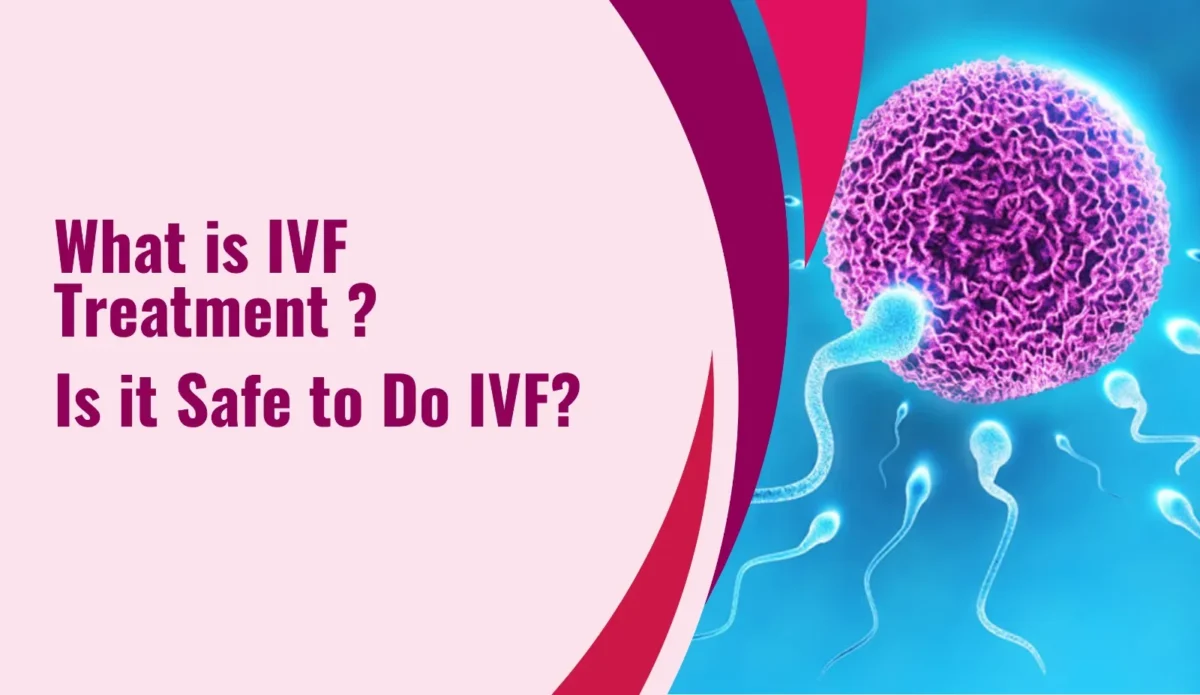
What is IVF Treatment?

IVF, or In-Vitro Fertilization, is a form of assisted reproductive technology (ART) that involves combining an egg and sperm outside the body—in a laboratory dish. Once fertilization occurs, the embryo is then transferred into the uterus with the hope of implantation and pregnancy.

The process of IVF treatment typically includes the following steps:

  1. Ovarian Stimulation – Fertility medications are given to stimulate the ovaries to produce multiple eggs.
  2. Egg Retrieval – The eggs are collected from the ovaries using a minor surgical procedure.
  3. Fertilization – Eggs are mixed with sperm in a lab setting to allow fertilization.
  4. Embryo Culture – The fertilized egg (embryo) is observed and nurtured in the lab for a few days.
  5. Embryo Transfer – A healthy embryo is transferred to the uterus to achieve pregnancy.

For many couples who struggle with natural conception, IVF treatment offers hope and a scientifically-proven path to parenthood.

Is it Safe to Do IVF?

One of the most frequently asked questions by couples considering fertility treatment is: Is it safe to do IVF?

The answer is yes, IVF is generally considered safe and effective, especially when carried out under the supervision of an experienced fertility expert. However, like any medical procedure, it comes with some risks and considerations.

Here’s why IVF is safe and what you should know:

  • Globally accepted & well-researched: IVF has been used since the late 1970s, with millions of babies born through this method. It has a proven success record worldwide.
  • Controlled medical environment: All stages of IVF treatment are carried out in sterile, monitored environments, reducing risks of infection or complications.
  • Minimal side effects: While some women may experience mild side effects from fertility medications (like bloating or mood swings), serious complications are rare.
  • Screening for genetic health: IVF allows for pre-implantation genetic screening (PGS), helping reduce the risk of passing on genetic disorders.
  • Multiple pregnancy risks: There’s a slightly higher chance of twins or triplets with IVF, but this is manageable with single embryo transfer (SET), which many clinics now recommend.

Under the guidance of the best infertility specialist in Bhubaneswar, couples can feel confident that the IVF process is handled with utmost care, precision, and safety.

IVF Treatment, best fertility spcialist in bhubaneswar, best apple repair service in Kolkatabest laptop repair service in Kolkata

Why Choose IVF Treatment?

  • Age-related infertility
  • Blocked fallopian tubes
  • Male infertility (low sperm count/motility)
  • Unexplained infertility
  • Polycystic Ovarian Syndrome (PCOS)
  • Failed previous treatments like IUI

If you are facing any of these challenges, IVF treatment may be the best option. Choosing a trusted and experienced doctor plays a crucial role in the success of the procedure.

What exactly is IVF treatment and how does it work in fertility enhancement?

IVF treatment, or in vitro fertilization, is a sophisticated assisted reproductive technology designed to help individuals and couples overcome infertility and achieve pregnancy. Here’s an in-depth look at what exactly IVF treatment is and how it works to enhance fertility:

What is IVF Treatment?

IVF treatment is a process in which mature eggs are collected from a woman’s ovaries and fertilized by sperm in a laboratory setting, outside the body. The resulting fertilized eggs, now called embryos, are then monitored for development and one or more are transferred into the woman’s uterus, where they may implant and develop into a pregnancy. IVF is the most effective form of fertility treatment involving the direct handling of eggs, sperm, and embryos.

How Does IVF Work in Fertility Enhancement?

IVF treatment enhances fertility by bypassing common barriers to natural conception, such as blocked fallopian tubes, low sperm count, ovulation disorders, or unexplained infertility. The process involves several carefully coordinated steps:

1. Ovarian Stimulation

  • The process begins with hormone injections to stimulate the ovaries to produce multiple eggs, rather than the single egg that usually matures each month.
  • Regular monitoring with ultrasounds and blood tests ensures the follicles (which contain the eggs) are developing properly.

2. Egg Retrieval

  • When the eggs are mature, a minor surgical procedure is performed to retrieve them from the ovaries using a thin needle guided by ultrasound, typically under sedation.

3. Fertilization

  • The retrieved eggs are combined with sperm in a laboratory dish. Fertilization can occur by simply mixing eggs and sperm (standard IVF) or by injecting a single sperm directly into each egg (ICSI).
  • The fertilized eggs (embryos) are cultured in a controlled environment for several days.

4. Embryo Development and Selection

  • Embryologists monitor the embryos’ development, looking for those that are dividing and growing normally.
  • The healthiest embryo(s) are selected for transfer.

5. Embryo Transfer

  • One or more embryos are placed into the uterus through a thin catheter. This is a simple, usually painless procedure.
  • If an embryo implants in the uterine lining, pregnancy occurs.

IVF and Fertility Enhancement

IVF treatment is especially valuable for:

  • Women with blocked or damaged fallopian tubes
  • Men with low sperm count or motility
  • Couples with unexplained infertility
  • Those with genetic disorders who wish to use pre-implantation genetic testing to avoid passing on inherited conditions

By allowing fertilization to occur outside the body and enabling the selection of the healthiest embryos, IVF treatment significantly increases the chances of conception for many who would otherwise struggle to become pregnant.

Also Read: How to Research for the Best Infertility Specialist in Bhubaneswar?

IVF Treatment, best fertility spcialist in bhubaneswar, best apple repair service in Kolkatabest laptop repair service in Kolkata

How the Best Infertility Specialist in Bhubaneswar Can Help?

When considering IVF, choosing the best infertility specialist in Bhubaneswar ensures you are in safe hands. As one of the most experienced fertility doctors in the region, Dr. Soumya Dash offers personalized fertility assessments, advanced diagnostic tools, and state-of-the-art IVF technology.

Here’s what sets the best specialist apart:

  • A high success rate in IVF pregnancies
  • Ethical and transparent treatment approach
  • Affordable and customized fertility packages
  • Compassionate care and emotional support throughout the journey

How do advancements in medical technology ensure the safety of IVF procedures?

Advancements in medical technology have dramatically enhanced the safety of IVF procedures, making them more precise, efficient, and patient-friendly than ever before. Here’s how these innovations ensure safer outcomes in modern IVF:

Key Technological Advancements Ensuring IVF Safety

1. Artificial Intelligence (AI) in Embryo Selection

AI systems analyze vast datasets and images to identify embryos with the highest implantation potential. This reduces human error, increases the likelihood of selecting healthy embryos, and lowers the risk of miscarriage or failed cycles.


2. Time-Lapse Embryo Monitoring

Continuous, non-invasive imaging of embryos allows embryologists to monitor development in real time without disturbing the embryo’s environment. This helps in selecting the most viable embryos for transfer, improving success rates and reducing the risk of multiple pregnancies.


3. Preimplantation Genetic Testing (PGT)

PGT screens embryos for chromosomal abnormalities and genetic disorders before implantation. This minimizes the risk of transferring embryos with genetic defects, leading to healthier pregnancies and babies.


4. Microfluidics and Automated Sperm/Egg Selection

Microfluidic devices and automated sperm analyzers enable precise selection of the healthiest sperm and eggs, mimicking natural selection processes and reducing the likelihood of fertilization with compromised gametes. Automation also minimizes manual handling, further reducing contamination and error risks.


5. Minimally Invasive Techniques

Procedures like Minimally Invasive Egg Retrieval (MACE) use advanced imaging and single-needle punctures, resulting in less discomfort, quicker recovery, and reduced risk of complications for patients.


6. Advanced Incubators and Monitoring Systems

Incubators like the K-System and continuous monitoring platforms (e.g., Xiltrix) provide optimal, stable environments for embryo development. Real-time monitoring detects any deviations, allowing immediate intervention to prevent harm.


7. RFID-Based Sample Tracking (RI Witness System)

The RI Witness system uses RFID technology to track and match patient samples, drastically reducing the risk of sample mix-ups and ensuring full traceability throughout the IVF process.


8. Vitrification and Improved Cryopreservation

Vitrification, a rapid freezing technique, prevents ice crystal formation that can damage eggs or embryos. This increases the safety and success of freezing and thawing procedures, preserving fertility options for more patients.


9. Personalized Medicine and Endometrial Receptivity Analysis (ERA)

Tests like ERA assess the optimal timing for embryo transfer based on the individual’s endometrial receptivity, maximizing implantation chances and reducing failed cycles.

Regulatory Oversight and Continuous Monitoring

IVF clinics are highly regulated, with stringent protocols and quality checks at every step. Frequent ultrasounds, blood tests, and close patient monitoring help identify and address potential complications early, such as ovarian hyperstimulation syndrome (OHSS).

IVF Treatment, best fertility spcialist in bhubaneswar, best apple repair service in Kolkata best laptop repair service in Kolkata

How do advancements in medical technology ensure the safety of IVF procedures?

Advancements in medical technology have significantly improved the safety of IVF procedures by making them more precise, efficient, and patient-centered. Here’s how these innovations ensure safer outcomes:

Key Technological Advancements Enhancing IVF Safety

  • Artificial Intelligence (AI) in Embryo Selection:
    AI algorithms analyze vast datasets and embryo images to identify the healthiest embryos for transfer. This leads to improved success rates, reduced miscarriages, and more accurate, data-driven decisions, minimizing the risk of unsuccessful cycles.


  • Time-Lapse Imaging Systems:
    Continuous, non-invasive monitoring of embryos allows embryologists to observe development without disturbing the embryo’s environment. This technology improves implantation rates and helps select the best embryos, reducing the chance of multiple pregnancies and unsuccessful transfers.


  • Microfluidics for Gamete Selection:
    Microfluidic devices enable precise sorting and selection of the healthiest sperm and eggs, mimicking natural processes and reducing DNA fragmentation. This results in higher quality embryos and lowers the risk of genetic abnormalities.


  • Preimplantation Genetic Testing (PGT):
    PGT screens embryos for chromosomal and genetic abnormalities before transfer, increasing the likelihood of a healthy pregnancy and reducing the risk of miscarriage or inherited disorders.


  • Automation and Lab-on-a-Chip Technologies:
    Automation standardizes laboratory workflows, reduces human error, and lowers contamination risks. Lab-on-a-chip concepts are being developed to integrate and automate most IVF steps, making the process more reliable and less prone to mistakes.


  • Advanced Incubators and Monitoring Systems:
    State-of-the-art incubators and real-time monitoring systems (such as the K-system and Xiltrix) maintain optimal conditions for embryo development and alert staff to any deviations, ensuring embryo safety.


  • Wearable Hormone Monitors and Less Invasive Protocols:
    Wearable devices provide real-time hormone data, allowing for more personalized and less invasive ovarian stimulation protocols, which reduces side effects and improves patient comfort.


  • Stringent Laboratory Protocols and Infection Control:
    Modern IVF labs implement advanced air filtration, strict cleaning, and real-time monitoring to prevent contamination and maintain a sterile environment, further ensuring patient and embryo safety.

IVF Treatment, best fertility spcialist in bhubaneswar, best apple repair service in Kolkatabest laptop repair service in Kolkata

What are the common risks and side effects associated with IVF treatment?

IVF treatment is a widely used fertility solution, but like any medical procedure, it carries certain risks and side effects. Understanding these can help patients make informed decisions and prepare for the IVF journey.

Physical Risks and Side Effects

  • Ovarian Hyperstimulation Syndrome (OHSS):
    Fertility drugs used in IVF can occasionally cause the ovaries to over-respond, leading to OHSS. Symptoms include abdominal pain, bloating, nausea, and, in severe cases, fluid accumulation, dehydration, and breathing difficulties. Severe OHSS is rare but can be serious.


  • Egg Retrieval Complications:
    The egg collection procedure may cause bleeding, infection, or injury to surrounding organs such as the bowel, bladder, or blood vessels. Risks from anesthesia are also present.


  • Multiple Pregnancy:
    IVF increases the likelihood of twins or higher-order multiples, especially if more than one embryo is transferred. Multiple pregnancies carry higher risks for premature birth, low birth weight, gestational diabetes, and high blood pressure.


  • Ectopic Pregnancy:
    There is a slightly increased risk that an embryo will implant outside the uterus, typically in a fallopian tube. Ectopic pregnancies require prompt medical attention.


  • Other Pregnancy Complications:
    IVF pregnancies may have a higher risk of certain complications, including preeclampsia, gestational diabetes, placenta previa, and placental abruption.


  • Twisting of the Ovary (Ovarian Torsion):
    Rarely, the ovary can twist, disrupting blood flow and requiring surgical intervention.

Medication-Related Side Effects

  • Hormonal Medication Side Effects:
    Injectable fertility drugs can cause mild bruising, soreness, temporary allergic reactions, nausea, breast tenderness, increased vaginal discharge, mood swings, and fatigue.
  • Allergic Reactions and Anesthesia Complications:
    Some individuals may experience allergic reactions to medications or complications from anesthesia used during egg retrieval.

Emotional and Psychological Effects

  • Emotional Stress:
    IVF can be emotionally taxing, leading to heightened stress, anxiety, mood swings, and fatigue. Support from partners, counselors, or support groups can be beneficial.

Other Considerations

  • Miscarriage:
    The risk of miscarriage after IVF is similar to natural conception and increases with maternal age.
  • Long-term Risks:
    Some studies have explored potential long-term risks for children born via IVF, but current evidence does not show clear associations with major health issues.

IVF Treatment, best fertility spcialist in bhubaneswar, best apple repair service in Kolkata best laptop repair service in Kolkata

FAQ

1. What is IVF treatment?

Answer: IVF (In-Vitro Fertilization) is an assisted reproductive technique where eggs and sperm are combined in a lab to create an embryo, which is then implanted into the uterus to help achieve pregnancy.

2. Is IVF treatment safe?

Answer: Yes, IVF is generally safe when done under expert supervision. While there can be minor side effects, serious complications are rare.

3. Who should consider IVF treatment?

Answer: Couples facing infertility due to blocked tubes, low sperm count, PCOS, unexplained infertility, or age-related issues may benefit from IVF treatment.

4. Are there any risks involved in IVF?

Answer: Possible risks include mild side effects from fertility drugs, multiple pregnancies, or rare cases of ovarian hyperstimulation, but these are manageable with proper care.

5. Can IVF guarantee pregnancy?

Answer: IVF increases the chances of pregnancy but doesn’t guarantee it. Success depends on factors like age, health conditions, and the expertise of the fertility specialist.

Final Thoughts

Infertility can be an emotionally draining experience, but IVF treatment has emerged as a beacon of hope for countless couples. It is natural to ask “Is it safe to do IVF?”, and the answer lies in understanding the process, risks, and benefits. With proper medical guidance from the best infertility specialist in Bhubaneswar, IVF can be a safe, effective, and life-changing path toward building your family.




cute-boy-sleeping-clipart_1308-114617.webp

Mental Health Recovery begins with quality sleep. Understand how sleep affects emotional healing with insights from a professional infertility specialist.

In a culture that glorifies busyness, sleep is often the first thing we sacrifice. Yet sleep is not a luxury—it’s a biological necessity, particularly when it comes to mental health recovery. The human brain, as resilient as it may be, needs sleep to process emotions, regulate thoughts, restore memory, and balance mood.

Sleep and mental health are deeply intertwined. People experiencing mental health challenges frequently report sleep issues, and poor sleep can worsen psychological symptoms. It’s a cycle that is hard to break—but with the right knowledge and action, it’s possible to restore both rest and emotional balance.

Let’s explore how good sleep contributes to emotional wellness, and how small, science-backed changes can improve both your rest and your recovery.

Understanding the Sleep-Mental Health Connection

Sleep isn’t just about shutting off your brain. It’s an active, vital process that your body and mind rely on. There are four sleep stages, including REM (rapid eye movement) and non-REM stages. Each of these plays a role in maintaining your brain’s health and, by extension, your emotional state.

Here’s what happens when we sleep:

  • Memory consolidation: Your brain filters through information and stores what’s important.

  • Emotional processing: Sleep helps you sort through daily experiences and regulate your emotional response.

  • Neurochemical balancing: Hormones like serotonin and dopamine are recalibrated during sleep, which are key players in your mood and mental state.

  • Stress response regulation: Quality sleep allows your body to process stress effectively and bounce back emotionally.

When these processes are interrupted—whether by chronic insomnia, poor sleep quality, or irregular schedules—it can delay or disrupt mental health recovery.

Mental Health Recovery

What Happens to Mental Health When Sleep is Disturbed?

When your sleep suffers, your emotional resilience takes a hit. You may feel short-tempered, anxious, or even emotionally numb. Over time, sleep deprivation can make recovery from mental health challenges significantly more difficult.

Here are the mental consequences of long-term poor sleep:

  • Mood Swings and Irritability
    Sleep deprivation disrupts the brain’s emotional regulation centers, making it harder to manage stress or frustration.

  • Anxiety and Racing Thoughts
    Without proper rest, your brain has fewer resources to calm itself down, which can lead to spiraling worries and constant tension.

  • Impaired Concentration and Focus
    Even basic tasks can become overwhelming when your brain is foggy from a lack of sleep.

  • Increased Risk of Depression
    Ongoing sleep problems are closely linked with the onset or worsening of depression.

  • Weakened Coping Skills
    It becomes harder to respond to life’s challenges in healthy ways, leading to avoidance, reactivity, or emotional exhaustion.

The Role of Sleep in Mental Health Recovery

Recovery from any mental health challenge—whether it’s depression, anxiety, PTSD, or emotional burnout—is complex. But one thing is consistent: recovery is slower and harder without quality sleep.

Here’s how good sleep actively supports your healing journey:

  • Strengthens Emotional Regulation
    You’re better equipped to deal with life’s ups and downs when your brain is rested and reset.

  • Improves Therapy Outcomes
    Whether you’re engaged in counseling, medication, or mindfulness practices, sleep improves your ability to integrate new learning and insights.

  • Enhances Neuroplasticity
    Your brain needs sleep to change and grow. Without it, you’re less likely to form new patterns of thinking or behavior.

  • Reduces Emotional Reactivity
    A well-rested brain doesn’t overreact. Instead, it processes situations more calmly and rationally.

  • Boosts Motivation and Energy
    Recovery takes effort. Sleep gives you the energy you need to follow through on positive actions and routines.

Mental Health Recovery

Practical Tips to Improve Sleep and Support Mental Health

Improving sleep doesn’t always require medication. Often, a few consistent changes to your routine can make a world of difference.

Here are evidence-based strategies you can use:

  • Create a sleep ritual:
    Develop a calming bedtime routine to signal to your brain that it’s time to wind down—such as reading, stretching, or journaling.

  • Be consistent with timing:
    Go to bed and wake up at the same time every day—even on weekends.

  • Make your bedroom a sleep zone:
    Keep the space dark, cool, and quiet. Avoid working or using electronics in bed.

  • Limit caffeine and alcohol:
    Both substances interfere with your body’s ability to achieve deep, restorative sleep.

  • Use daylight to your advantage:
    Natural light in the morning helps reset your internal clock and supports a healthy sleep-wake cycle.

  • Manage your worries before bedtime:
    Try writing down anxious thoughts earlier in the evening so they don’t keep your brain active at night.

  • Move your body:
    Daily physical activity—even a walk—can significantly improve sleep quality over time.

Mental Health Recovery and the Role of Professional Support

While sleep is a powerful tool for healing, it may not solve everything on its own. People often need guidance and structured care to recover fully.

In cases of long-term insomnia, unresolved trauma, or ongoing emotional distress, seeking support from a reputed healthcare professional—such as a mental health expert or a reputed infertility specialist  who understands the mind-body connection—can make a real difference.

Mental health isn’t isolated from physical health. Emotional stress, hormonal imbalances, and life challenges like fertility issues can all contribute to disrupted sleep and psychological struggles. A professional who sees the whole picture can help tailor the right recovery plan for you.

Mental Health Recovery

FAQs

Q1. How many hours of sleep do I need for emotional recovery?
Most adults need 7–9 hours of quality sleep per night. During periods of mental stress or recovery, you may need more to allow your brain to heal and reset.

Q2. What if I sleep a lot but still feel exhausted?
Oversleeping or sleeping without reaching deep, restorative stages may point to sleep disorders or emotional fatigue. Consider evaluating your sleep hygiene or consulting a healthcare provider.

Q3. Is it normal to have vivid dreams or nightmares during mental health recovery?
Yes, during deep emotional work, the brain may process feelings through intense dreams. This is a sign that your mind is healing, although chronic nightmares should be addressed with a professional.

Q4. Can mental health medication affect my sleep?
Some medications may either help or disrupt sleep, depending on dosage and individual response. It’s important to work with your doctor to find the best balance.

Q5. What should I do if I’ve tried everything and still can’t sleep?
If sleep issues persist for more than two weeks despite lifestyle changes, it’s time to seek guidance. Your recovery depends on it, and professional support can help you identify underlying causes.

Good Sleep Powers Long-Term Mental Health Recovery

Good sleep is not a luxury; it’s an essential part of your recovery process. It helps rebuild emotional resilience, restore brain function, and foster hope. Without sleep, the brain struggles to find clarity; with sleep, healing becomes possible.

Whether you’re recovering from emotional exhaustion, anxiety, or hormonal imbalances linked to fertility concerns, prioritizing rest is a gift to your future self. Consider sleep your most loyal ally in the journey toward mental health recovery—silent, steady, and deeply powerful.

Let sleep become your foundation. Healing, after all, begins in rest.


Dr_Soumya_Dash_Logo_White_img


In short words


Dr. Soumya Dash, Odisha’s leading fertility specialist, is an award-winning expert known for transforming lives through advanced reproductive care. Renowned for exceptional success rates and compassionate support, Dr. Dash is a trusted name in helping families achieve parenthood dreams.


Get in touch


(+91)  837 500 8561
(+91)  826 085 9778
drsoumya.dash13@gmail.com


Copyright by RabbitM 2024. All rights reserved.