Latest news

Classic list

Globally incubate standards compliant channels before scalable benefits. Quickly disseminate superior deliverables whereas web-enabled applications.

What-1200x695.webp
06/Jun/2025

Hello Reader!

Welcome to the blog page of Dr. Soumya Dash, one of the best infertility specialist in Bhubaneswar. 

In today’s world, where lifestyle changes, stress, and medical conditions can affect fertility, many couples turn to advanced reproductive solutions to fulfill their dream of parenthood. One of the most common and widely trusted fertility treatments is IVF treatment. But with its popularity comes a lot of questions—What exactly is IVF? Is it safe to do IVF? Let’s understand everything about this revolutionary fertility procedure.

IVF Treatment, best fertility spcialist in bhubaneswar, best apple repair service in Kolkata best laptop repair service in Kolkata


What is IVF Treatment?

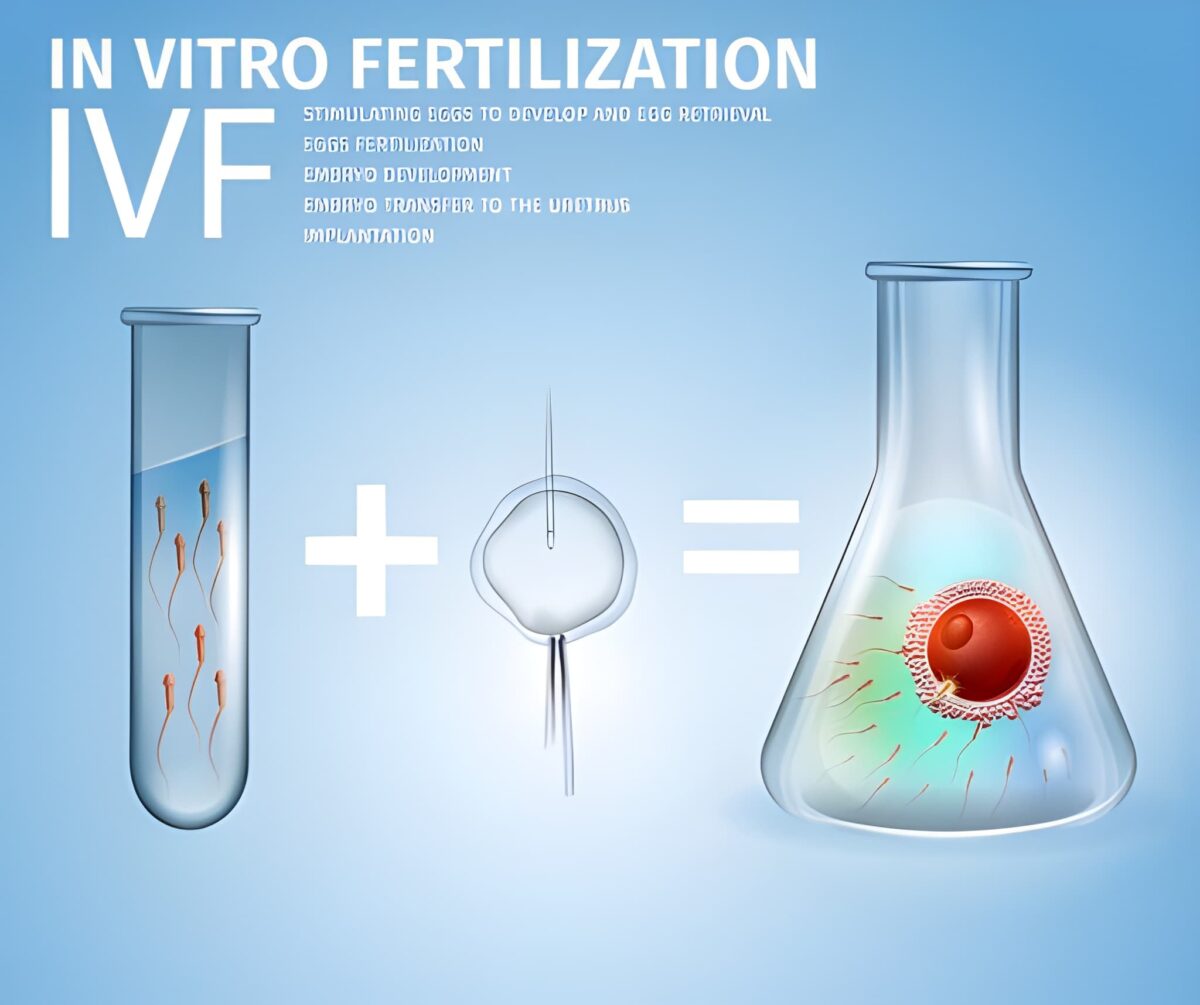
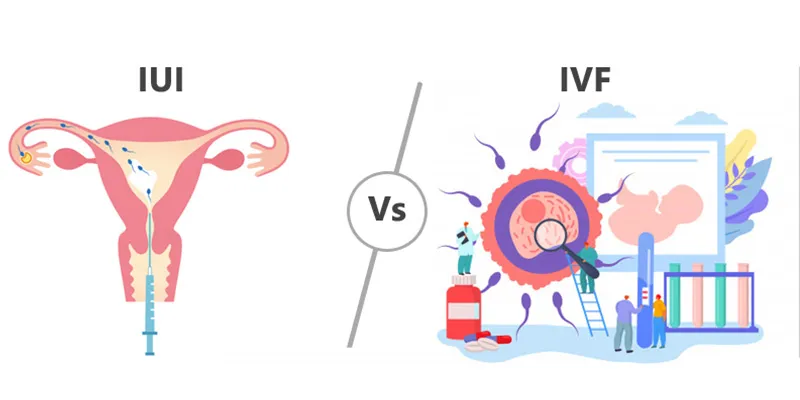
IVF, or In-Vitro Fertilization, is a form of assisted reproductive technology (ART) that involves combining an egg and sperm outside the body—in a laboratory dish. Once fertilization occurs, the embryo is then transferred into the uterus with the hope of implantation and pregnancy.

The process of IVF treatment typically includes the following steps:

  1. Ovarian Stimulation – Fertility medications are given to stimulate the ovaries to produce multiple eggs.
  2. Egg Retrieval – The eggs are collected from the ovaries using a minor surgical procedure.
  3. Fertilization – Eggs are mixed with sperm in a lab setting to allow fertilization.
  4. Embryo Culture – The fertilized egg (embryo) is observed and nurtured in the lab for a few days.
  5. Embryo Transfer – A healthy embryo is transferred to the uterus to achieve pregnancy.

For many couples who struggle with natural conception, IVF treatment offers hope and a scientifically-proven path to parenthood.

Is it Safe to Do IVF?

One of the most frequently asked questions by couples considering fertility treatment is: Is it safe to do IVF?

The answer is yes, IVF is generally considered safe and effective, especially when carried out under the supervision of an experienced fertility expert. However, like any medical procedure, it comes with some risks and considerations.

Here’s why IVF is safe and what you should know:

  • Globally accepted & well-researched: IVF has been used since the late 1970s, with millions of babies born through this method. It has a proven success record worldwide.
  • Controlled medical environment: All stages of IVF treatment are carried out in sterile, monitored environments, reducing risks of infection or complications.
  • Minimal side effects: While some women may experience mild side effects from fertility medications (like bloating or mood swings), serious complications are rare.
  • Screening for genetic health: IVF allows for pre-implantation genetic screening (PGS), helping reduce the risk of passing on genetic disorders.
  • Multiple pregnancy risks: There’s a slightly higher chance of twins or triplets with IVF, but this is manageable with single embryo transfer (SET), which many clinics now recommend.

Under the guidance of the best infertility specialist in Bhubaneswar, couples can feel confident that the IVF process is handled with utmost care, precision, and safety.

IVF Treatment, best fertility spcialist in bhubaneswar, best apple repair service in Kolkatabest laptop repair service in Kolkata

Why Choose IVF Treatment?

  • Age-related infertility
  • Blocked fallopian tubes
  • Male infertility (low sperm count/motility)
  • Unexplained infertility
  • Polycystic Ovarian Syndrome (PCOS)
  • Failed previous treatments like IUI

If you are facing any of these challenges, IVF treatment may be the best option. Choosing a trusted and experienced doctor plays a crucial role in the success of the procedure.

What exactly is IVF treatment and how does it work in fertility enhancement?

IVF treatment, or in vitro fertilization, is a sophisticated assisted reproductive technology designed to help individuals and couples overcome infertility and achieve pregnancy. Here’s an in-depth look at what exactly IVF treatment is and how it works to enhance fertility:

What is IVF Treatment?

IVF treatment is a process in which mature eggs are collected from a woman’s ovaries and fertilized by sperm in a laboratory setting, outside the body. The resulting fertilized eggs, now called embryos, are then monitored for development and one or more are transferred into the woman’s uterus, where they may implant and develop into a pregnancy. IVF is the most effective form of fertility treatment involving the direct handling of eggs, sperm, and embryos.

How Does IVF Work in Fertility Enhancement?

IVF treatment enhances fertility by bypassing common barriers to natural conception, such as blocked fallopian tubes, low sperm count, ovulation disorders, or unexplained infertility. The process involves several carefully coordinated steps:

1. Ovarian Stimulation

  • The process begins with hormone injections to stimulate the ovaries to produce multiple eggs, rather than the single egg that usually matures each month.
  • Regular monitoring with ultrasounds and blood tests ensures the follicles (which contain the eggs) are developing properly.

2. Egg Retrieval

  • When the eggs are mature, a minor surgical procedure is performed to retrieve them from the ovaries using a thin needle guided by ultrasound, typically under sedation.

3. Fertilization

  • The retrieved eggs are combined with sperm in a laboratory dish. Fertilization can occur by simply mixing eggs and sperm (standard IVF) or by injecting a single sperm directly into each egg (ICSI).
  • The fertilized eggs (embryos) are cultured in a controlled environment for several days.

4. Embryo Development and Selection

  • Embryologists monitor the embryos’ development, looking for those that are dividing and growing normally.
  • The healthiest embryo(s) are selected for transfer.

5. Embryo Transfer

  • One or more embryos are placed into the uterus through a thin catheter. This is a simple, usually painless procedure.
  • If an embryo implants in the uterine lining, pregnancy occurs.

IVF and Fertility Enhancement

IVF treatment is especially valuable for:

  • Women with blocked or damaged fallopian tubes
  • Men with low sperm count or motility
  • Couples with unexplained infertility
  • Those with genetic disorders who wish to use pre-implantation genetic testing to avoid passing on inherited conditions

By allowing fertilization to occur outside the body and enabling the selection of the healthiest embryos, IVF treatment significantly increases the chances of conception for many who would otherwise struggle to become pregnant.

Also Read: How to Research for the Best Infertility Specialist in Bhubaneswar?

IVF Treatment, best fertility spcialist in bhubaneswar, best apple repair service in Kolkatabest laptop repair service in Kolkata

How the Best Infertility Specialist in Bhubaneswar Can Help?

When considering IVF, choosing the best infertility specialist in Bhubaneswar ensures you are in safe hands. As one of the most experienced fertility doctors in the region, Dr. Soumya Dash offers personalized fertility assessments, advanced diagnostic tools, and state-of-the-art IVF technology.

Here’s what sets the best specialist apart:

  • A high success rate in IVF pregnancies
  • Ethical and transparent treatment approach
  • Affordable and customized fertility packages
  • Compassionate care and emotional support throughout the journey

How do advancements in medical technology ensure the safety of IVF procedures?

Advancements in medical technology have dramatically enhanced the safety of IVF procedures, making them more precise, efficient, and patient-friendly than ever before. Here’s how these innovations ensure safer outcomes in modern IVF:

Key Technological Advancements Ensuring IVF Safety

1. Artificial Intelligence (AI) in Embryo Selection

AI systems analyze vast datasets and images to identify embryos with the highest implantation potential. This reduces human error, increases the likelihood of selecting healthy embryos, and lowers the risk of miscarriage or failed cycles.


2. Time-Lapse Embryo Monitoring

Continuous, non-invasive imaging of embryos allows embryologists to monitor development in real time without disturbing the embryo’s environment. This helps in selecting the most viable embryos for transfer, improving success rates and reducing the risk of multiple pregnancies.


3. Preimplantation Genetic Testing (PGT)

PGT screens embryos for chromosomal abnormalities and genetic disorders before implantation. This minimizes the risk of transferring embryos with genetic defects, leading to healthier pregnancies and babies.


4. Microfluidics and Automated Sperm/Egg Selection

Microfluidic devices and automated sperm analyzers enable precise selection of the healthiest sperm and eggs, mimicking natural selection processes and reducing the likelihood of fertilization with compromised gametes. Automation also minimizes manual handling, further reducing contamination and error risks.


5. Minimally Invasive Techniques

Procedures like Minimally Invasive Egg Retrieval (MACE) use advanced imaging and single-needle punctures, resulting in less discomfort, quicker recovery, and reduced risk of complications for patients.


6. Advanced Incubators and Monitoring Systems

Incubators like the K-System and continuous monitoring platforms (e.g., Xiltrix) provide optimal, stable environments for embryo development. Real-time monitoring detects any deviations, allowing immediate intervention to prevent harm.


7. RFID-Based Sample Tracking (RI Witness System)

The RI Witness system uses RFID technology to track and match patient samples, drastically reducing the risk of sample mix-ups and ensuring full traceability throughout the IVF process.


8. Vitrification and Improved Cryopreservation

Vitrification, a rapid freezing technique, prevents ice crystal formation that can damage eggs or embryos. This increases the safety and success of freezing and thawing procedures, preserving fertility options for more patients.


9. Personalized Medicine and Endometrial Receptivity Analysis (ERA)

Tests like ERA assess the optimal timing for embryo transfer based on the individual’s endometrial receptivity, maximizing implantation chances and reducing failed cycles.

Regulatory Oversight and Continuous Monitoring

IVF clinics are highly regulated, with stringent protocols and quality checks at every step. Frequent ultrasounds, blood tests, and close patient monitoring help identify and address potential complications early, such as ovarian hyperstimulation syndrome (OHSS).

IVF Treatment, best fertility spcialist in bhubaneswar, best apple repair service in Kolkata best laptop repair service in Kolkata

How do advancements in medical technology ensure the safety of IVF procedures?

Advancements in medical technology have significantly improved the safety of IVF procedures by making them more precise, efficient, and patient-centered. Here’s how these innovations ensure safer outcomes:

Key Technological Advancements Enhancing IVF Safety

  • Artificial Intelligence (AI) in Embryo Selection:
    AI algorithms analyze vast datasets and embryo images to identify the healthiest embryos for transfer. This leads to improved success rates, reduced miscarriages, and more accurate, data-driven decisions, minimizing the risk of unsuccessful cycles.


  • Time-Lapse Imaging Systems:
    Continuous, non-invasive monitoring of embryos allows embryologists to observe development without disturbing the embryo’s environment. This technology improves implantation rates and helps select the best embryos, reducing the chance of multiple pregnancies and unsuccessful transfers.


  • Microfluidics for Gamete Selection:
    Microfluidic devices enable precise sorting and selection of the healthiest sperm and eggs, mimicking natural processes and reducing DNA fragmentation. This results in higher quality embryos and lowers the risk of genetic abnormalities.


  • Preimplantation Genetic Testing (PGT):
    PGT screens embryos for chromosomal and genetic abnormalities before transfer, increasing the likelihood of a healthy pregnancy and reducing the risk of miscarriage or inherited disorders.


  • Automation and Lab-on-a-Chip Technologies:
    Automation standardizes laboratory workflows, reduces human error, and lowers contamination risks. Lab-on-a-chip concepts are being developed to integrate and automate most IVF steps, making the process more reliable and less prone to mistakes.


  • Advanced Incubators and Monitoring Systems:
    State-of-the-art incubators and real-time monitoring systems (such as the K-system and Xiltrix) maintain optimal conditions for embryo development and alert staff to any deviations, ensuring embryo safety.


  • Wearable Hormone Monitors and Less Invasive Protocols:
    Wearable devices provide real-time hormone data, allowing for more personalized and less invasive ovarian stimulation protocols, which reduces side effects and improves patient comfort.


  • Stringent Laboratory Protocols and Infection Control:
    Modern IVF labs implement advanced air filtration, strict cleaning, and real-time monitoring to prevent contamination and maintain a sterile environment, further ensuring patient and embryo safety.

IVF Treatment, best fertility spcialist in bhubaneswar, best apple repair service in Kolkatabest laptop repair service in Kolkata

What are the common risks and side effects associated with IVF treatment?

IVF treatment is a widely used fertility solution, but like any medical procedure, it carries certain risks and side effects. Understanding these can help patients make informed decisions and prepare for the IVF journey.

Physical Risks and Side Effects

  • Ovarian Hyperstimulation Syndrome (OHSS):
    Fertility drugs used in IVF can occasionally cause the ovaries to over-respond, leading to OHSS. Symptoms include abdominal pain, bloating, nausea, and, in severe cases, fluid accumulation, dehydration, and breathing difficulties. Severe OHSS is rare but can be serious.


  • Egg Retrieval Complications:
    The egg collection procedure may cause bleeding, infection, or injury to surrounding organs such as the bowel, bladder, or blood vessels. Risks from anesthesia are also present.


  • Multiple Pregnancy:
    IVF increases the likelihood of twins or higher-order multiples, especially if more than one embryo is transferred. Multiple pregnancies carry higher risks for premature birth, low birth weight, gestational diabetes, and high blood pressure.


  • Ectopic Pregnancy:
    There is a slightly increased risk that an embryo will implant outside the uterus, typically in a fallopian tube. Ectopic pregnancies require prompt medical attention.


  • Other Pregnancy Complications:
    IVF pregnancies may have a higher risk of certain complications, including preeclampsia, gestational diabetes, placenta previa, and placental abruption.


  • Twisting of the Ovary (Ovarian Torsion):
    Rarely, the ovary can twist, disrupting blood flow and requiring surgical intervention.

Medication-Related Side Effects

  • Hormonal Medication Side Effects:
    Injectable fertility drugs can cause mild bruising, soreness, temporary allergic reactions, nausea, breast tenderness, increased vaginal discharge, mood swings, and fatigue.
  • Allergic Reactions and Anesthesia Complications:
    Some individuals may experience allergic reactions to medications or complications from anesthesia used during egg retrieval.

Emotional and Psychological Effects

  • Emotional Stress:
    IVF can be emotionally taxing, leading to heightened stress, anxiety, mood swings, and fatigue. Support from partners, counselors, or support groups can be beneficial.

Other Considerations

  • Miscarriage:
    The risk of miscarriage after IVF is similar to natural conception and increases with maternal age.
  • Long-term Risks:
    Some studies have explored potential long-term risks for children born via IVF, but current evidence does not show clear associations with major health issues.

IVF Treatment, best fertility spcialist in bhubaneswar, best apple repair service in Kolkata best laptop repair service in Kolkata

FAQ

1. What is IVF treatment?

Answer: IVF (In-Vitro Fertilization) is an assisted reproductive technique where eggs and sperm are combined in a lab to create an embryo, which is then implanted into the uterus to help achieve pregnancy.

2. Is IVF treatment safe?

Answer: Yes, IVF is generally safe when done under expert supervision. While there can be minor side effects, serious complications are rare.

3. Who should consider IVF treatment?

Answer: Couples facing infertility due to blocked tubes, low sperm count, PCOS, unexplained infertility, or age-related issues may benefit from IVF treatment.

4. Are there any risks involved in IVF?

Answer: Possible risks include mild side effects from fertility drugs, multiple pregnancies, or rare cases of ovarian hyperstimulation, but these are manageable with proper care.

5. Can IVF guarantee pregnancy?

Answer: IVF increases the chances of pregnancy but doesn’t guarantee it. Success depends on factors like age, health conditions, and the expertise of the fertility specialist.

Final Thoughts

Infertility can be an emotionally draining experience, but IVF treatment has emerged as a beacon of hope for countless couples. It is natural to ask “Is it safe to do IVF?”, and the answer lies in understanding the process, risks, and benefits. With proper medical guidance from the best infertility specialist in Bhubaneswar, IVF can be a safe, effective, and life-changing path toward building your family.


cute-boy-sleeping-clipart_1308-114617.webp

Mental Health Recovery begins with quality sleep. Understand how sleep affects emotional healing with insights from a professional infertility specialist.

In a culture that glorifies busyness, sleep is often the first thing we sacrifice. Yet sleep is not a luxury—it’s a biological necessity, particularly when it comes to mental health recovery. The human brain, as resilient as it may be, needs sleep to process emotions, regulate thoughts, restore memory, and balance mood.

Sleep and mental health are deeply intertwined. People experiencing mental health challenges frequently report sleep issues, and poor sleep can worsen psychological symptoms. It’s a cycle that is hard to break—but with the right knowledge and action, it’s possible to restore both rest and emotional balance.

Let’s explore how good sleep contributes to emotional wellness, and how small, science-backed changes can improve both your rest and your recovery.

Understanding the Sleep-Mental Health Connection

Sleep isn’t just about shutting off your brain. It’s an active, vital process that your body and mind rely on. There are four sleep stages, including REM (rapid eye movement) and non-REM stages. Each of these plays a role in maintaining your brain’s health and, by extension, your emotional state.

Here’s what happens when we sleep:

  • Memory consolidation: Your brain filters through information and stores what’s important.

  • Emotional processing: Sleep helps you sort through daily experiences and regulate your emotional response.

  • Neurochemical balancing: Hormones like serotonin and dopamine are recalibrated during sleep, which are key players in your mood and mental state.

  • Stress response regulation: Quality sleep allows your body to process stress effectively and bounce back emotionally.

When these processes are interrupted—whether by chronic insomnia, poor sleep quality, or irregular schedules—it can delay or disrupt mental health recovery.

Mental Health Recovery

What Happens to Mental Health When Sleep is Disturbed?

When your sleep suffers, your emotional resilience takes a hit. You may feel short-tempered, anxious, or even emotionally numb. Over time, sleep deprivation can make recovery from mental health challenges significantly more difficult.

Here are the mental consequences of long-term poor sleep:

  • Mood Swings and Irritability
    Sleep deprivation disrupts the brain’s emotional regulation centers, making it harder to manage stress or frustration.

  • Anxiety and Racing Thoughts
    Without proper rest, your brain has fewer resources to calm itself down, which can lead to spiraling worries and constant tension.

  • Impaired Concentration and Focus
    Even basic tasks can become overwhelming when your brain is foggy from a lack of sleep.

  • Increased Risk of Depression
    Ongoing sleep problems are closely linked with the onset or worsening of depression.

  • Weakened Coping Skills
    It becomes harder to respond to life’s challenges in healthy ways, leading to avoidance, reactivity, or emotional exhaustion.

The Role of Sleep in Mental Health Recovery

Recovery from any mental health challenge—whether it’s depression, anxiety, PTSD, or emotional burnout—is complex. But one thing is consistent: recovery is slower and harder without quality sleep.

Here’s how good sleep actively supports your healing journey:

  • Strengthens Emotional Regulation
    You’re better equipped to deal with life’s ups and downs when your brain is rested and reset.

  • Improves Therapy Outcomes
    Whether you’re engaged in counseling, medication, or mindfulness practices, sleep improves your ability to integrate new learning and insights.

  • Enhances Neuroplasticity
    Your brain needs sleep to change and grow. Without it, you’re less likely to form new patterns of thinking or behavior.

  • Reduces Emotional Reactivity
    A well-rested brain doesn’t overreact. Instead, it processes situations more calmly and rationally.

  • Boosts Motivation and Energy
    Recovery takes effort. Sleep gives you the energy you need to follow through on positive actions and routines.

Mental Health Recovery

Practical Tips to Improve Sleep and Support Mental Health

Improving sleep doesn’t always require medication. Often, a few consistent changes to your routine can make a world of difference.

Here are evidence-based strategies you can use:

  • Create a sleep ritual:
    Develop a calming bedtime routine to signal to your brain that it’s time to wind down—such as reading, stretching, or journaling.

  • Be consistent with timing:
    Go to bed and wake up at the same time every day—even on weekends.

  • Make your bedroom a sleep zone:
    Keep the space dark, cool, and quiet. Avoid working or using electronics in bed.

  • Limit caffeine and alcohol:
    Both substances interfere with your body’s ability to achieve deep, restorative sleep.

  • Use daylight to your advantage:
    Natural light in the morning helps reset your internal clock and supports a healthy sleep-wake cycle.

  • Manage your worries before bedtime:
    Try writing down anxious thoughts earlier in the evening so they don’t keep your brain active at night.

  • Move your body:
    Daily physical activity—even a walk—can significantly improve sleep quality over time.

Mental Health Recovery and the Role of Professional Support

While sleep is a powerful tool for healing, it may not solve everything on its own. People often need guidance and structured care to recover fully.

In cases of long-term insomnia, unresolved trauma, or ongoing emotional distress, seeking support from a reputed healthcare professional—such as a mental health expert or a reputed infertility specialist  who understands the mind-body connection—can make a real difference.

Mental health isn’t isolated from physical health. Emotional stress, hormonal imbalances, and life challenges like fertility issues can all contribute to disrupted sleep and psychological struggles. A professional who sees the whole picture can help tailor the right recovery plan for you.

Mental Health Recovery

FAQs

Q1. How many hours of sleep do I need for emotional recovery?
Most adults need 7–9 hours of quality sleep per night. During periods of mental stress or recovery, you may need more to allow your brain to heal and reset.

Q2. What if I sleep a lot but still feel exhausted?
Oversleeping or sleeping without reaching deep, restorative stages may point to sleep disorders or emotional fatigue. Consider evaluating your sleep hygiene or consulting a healthcare provider.

Q3. Is it normal to have vivid dreams or nightmares during mental health recovery?
Yes, during deep emotional work, the brain may process feelings through intense dreams. This is a sign that your mind is healing, although chronic nightmares should be addressed with a professional.

Q4. Can mental health medication affect my sleep?
Some medications may either help or disrupt sleep, depending on dosage and individual response. It’s important to work with your doctor to find the best balance.

Q5. What should I do if I’ve tried everything and still can’t sleep?
If sleep issues persist for more than two weeks despite lifestyle changes, it’s time to seek guidance. Your recovery depends on it, and professional support can help you identify underlying causes.

Good Sleep Powers Long-Term Mental Health Recovery

Good sleep is not a luxury; it’s an essential part of your recovery process. It helps rebuild emotional resilience, restore brain function, and foster hope. Without sleep, the brain struggles to find clarity; with sleep, healing becomes possible.

Whether you’re recovering from emotional exhaustion, anxiety, or hormonal imbalances linked to fertility concerns, prioritizing rest is a gift to your future self. Consider sleep your most loyal ally in the journey toward mental health recovery—silent, steady, and deeply powerful.

Let sleep become your foundation. Healing, after all, begins in rest.


Screenshot.webp
29/May/2025

Hello Reader!

Welcome to the blog page of Dr. Soumya Dash, one of the best infertility specialist in Bhubaneswar.

Infertility is a sensitive and life-altering condition that affects many couples across India. With Bhubaneswar emerging as a growing hub for medical care, an increasing number of couples seek expert fertility services in the city. But how do you find the best infertility specialist in Bhubaneswar to entrust your journey to parenthood? This guide outlines a comprehensive approach to making an informed decision.

1. Understand Your Needs First

Before searching for the best infertility specialist in Bhubaneswar, it’s essential to understand your medical history, symptoms, and fertility goals. Are you facing primary infertility, recurrent pregnancy loss, or seeking assisted reproductive techniques like IUI or IVF? Knowing your situation helps narrow down the kind of specialist you need.

2. Begin with Online Research

Start by exploring fertility clinics and individual specialists in Bhubaneswar online. Search engines, medical directories, Google Maps listings, and hospital websites often highlight top-rated professionals. Look for repeated mentions of names and institutions that stand out as the best infertility specialists in Bhubaneswar.

Keywords to search:

  • “Best infertility specialist in Bhubaneswar” 
  • “top IVF doctor in Bhubaneswar” 
  • “Trusted fertility clinics in Bhubaneswar” 

3. Check Qualifications and Experience

Experience matters significantly in fertility care. Once you have a shortlist, check the specialist’s:

  • Educational background (MBBS, MD, DNB, Fellowship in Reproductive Medicine) 
  • Years of experience treating infertility 
  • Specializations (IVF, ICSI, IUI, PCOS management, male infertility, etc.) 

The best infertility specialist in Bhubaneswar will have years of clinical practice backed by professional training from reputed institutions.

4. Read Reviews and Patient Testimonials

Patient reviews on platforms like Practo, Google, and Lybrate can provide valuable insight. While every doctor may have a few negative reviews, pay attention to recurring themes — communication style, success rate, affordability, and compassion. A consistent reputation across platforms often signals the presence of one of the best infertility specialists in Bhubaneswar.

Best Infertility Specialist in Bhubaneswar

5. Consider Clinic Facilities and Technology

The quality of the clinic or hospital matters as much as the doctor. The best infertility specialists in Bhubaneswar usually practice in well-equipped centers with advanced diagnostic and treatment technologies. Look for:

  • In-house labs for fertility testing 
  • Access to the latest ART techniques (IVF, ICSI, freezing, etc.) 
  • Clean, hygienic, and patient-friendly environment 

6. Compare Success Rates

While comparing clinics or specialists, inquire about their success rates. The best infertility specialist in Bhubaneswar will be transparent about their track record with patients in your age group and condition. Keep in mind that success rates can vary depending on numerous factors, but a consistent pattern of success is a positive sign.

7. Schedule Initial Consultations

Shortlist 2-3 doctors and schedule initial consultations. This helps you evaluate how well the doctor understands your case, their approach to treatment, and how comfortable you feel discussing sensitive issues. A trustworthy and empathetic doctor-patient relationship is key to infertility treatment success.

8. Seek Word-of-Mouth Recommendations

Talk to friends, family members, or acquaintances who have gone through fertility treatment in Bhubaneswar. Personal referrals are often one of the most reliable ways to identify the best infertility specialist in Bhubaneswar.

9. Look for Ethical and Transparent Practices

The best infertility specialist in Bhubaneswar will ensure ethical and evidence-based practices, including:

  • Clear explanation of treatment options 
  • No unnecessary procedures 
  • Transparent cost estimates 
  • Informed consent at every stage 

10. Assess Accessibility and Communication

 Infertility treatment often requires multiple visits and ongoing communication. Choose a specialist who is easily accessible, whether via in-person visits, phone, or online consultations. Quick response times and regular follow-ups are hallmarks of top-notch care.

Best Infertility Specialist in Bhubaneswar

What are the key factors that distinguish top-rated fertility specialists?

Top-rated fertility specialists stand out due to a combination of professional qualifications, patient-centered care, and clinic resources. Here are the key factors that set them apart:

1. Credentials and Qualifications

  • Board certification in reproductive endocrinology and infertility is essential. This ensures the specialist has advanced training and adheres to high standards of care.
  • Reputable medical education, residency, and fellowship from recognized institutions signal a strong foundation in fertility medicine.

2. Experience and Track Record

  • Years of practice and a proven history of handling complex fertility cases are critical. Specialists with extensive experience are better equipped to address unique or challenging situations.
  • Published success rates, especially for procedures like IVF, give insight into the specialist’s effectiveness. However, these should be interpreted in the context of the complexity of cases handled.

3. Personalized and Comprehensive Care

  • Top fertility specialists tailor treatment plans to individual patient needs, rather than using a one-size-fits-all approach.
  • They offer a broad spectrum of options, from lifestyle advice to advanced procedures, and discuss all possible routes to success.

4. Communication and Support

  • Effective, empathetic communication is a hallmark of the best fertility specialists. They explain complex information clearly, answer questions patiently, and are approachable and responsive throughout the process.
  • Emotional and psychological support is prioritized, with referrals to counseling or support services when necessary.

5. Clinic Facilities and Technology

  • Association with clinics that have advanced laboratories, modern equipment, and a skilled support staff is a strong indicator of quality.
  • The availability of comprehensive services, including diagnostics, IVF, IUI, and fertility preservation, is important for seamless patient care.

6. Transparency and Ethics

  • Clear, upfront communication about costs, success rates, treatment risks, and clinic policies is essential.
  • Ethical practices, including patient confidentiality and honest guidance, distinguish reputable specialists.

7. Accessibility and Convenience

  • Flexible scheduling, accessible locations, and supportive administrative staff make the treatment journey smoother for patients.

Best Infertility Specialist in Bhubaneswar

How can I identify the most reputable sources for the best infertility specialist in Bhubaneswar?

Finding the best infertility specialist in Bhubaneswar requires relying on reputable sources that offer verified, unbiased, and comprehensive information. Here’s how you can identify and use these sources effectively:

1. Trusted Medical Directories and Review Platforms

  • Justdial and Practo are leading platforms that list infertility specialists in Bhubaneswar. They provide verified doctor profiles, patient ratings, reviews, years of experience, and consultation fees. Practo, for example, lists specialists with detailed credentials and real patient feedback, helping you compare and shortlist the best infertility specialist in Bhubaneswar based on transparent data.
  • Lybrate is another reliable directory that features top-rated infertility specialists, including their qualifications and experience, which can guide your decision.

2. Hospital and Clinic Websites

  • Reputable hospitals like Rainbow Hospitals and specialized fertility clinics such as Birla Fertility & IVF and Universal Shrusti Fertility Centre have dedicated pages listing their infertility specialists, treatment options, and success rates. These sites often highlight the expertise of their doctors, clinic infrastructure, and patient testimonials, making them trustworthy sources for identifying the best infertility specialist in Bhubaneswar.

3. Patient Testimonials and Success Stories

  • Many fertility clinic websites feature genuine patient stories and testimonials. These firsthand accounts provide insights into the quality of care, doctor’s approach, and overall patient satisfaction. Universal Shrusti Fertility Centre, for instance, shares detailed patient experiences that reflect the clinic’s reputation and the expertise of their specialists.

4. Independent Health Forums and Community Recommendations

  • Online health forums and local community groups can offer candid recommendations and warnings based on personal experiences. While these should be cross-verified, they can help you gauge public perception and identify consistently recommended names for the best infertility specialist in Bhubaneswar.

5. Professional Credentials and Experience

  • Always check the credentials, years of experience, and areas of specialization of the doctor. Platforms like Practo and Lybrate display these details, ensuring you choose a specialist with proven expertise and a strong track record.

6. Transparency in Success Rates and Services

  • The best infertility specialist in Bhubaneswar will be associated with clinics that openly share their treatment success rates, range of services (IVF, IUI, ICSI, etc.), and patient outcomes. Clinics like Birla Fertility & IVF provide these statistics on their websites, reflecting credibility and accountability.

Best Infertility Specialist in Bhubaneswar

Why is experience important when selecting an infertility specialist in Bhubaneswar?

Experience is one of the most crucial factors to consider when choosing an infertility specialist in Bhubaneswar because it directly impacts the quality, safety, and success of your fertility treatment. Here’s why:

  • Higher Success Rates: Specialists and clinics with extensive experience in infertility treatments, such as IVF, IUI, and ICSI, tend to have higher success rates. Their familiarity with a wide range of cases allows them to tailor treatment protocols and troubleshoot complications more effectively.
  • Ability to Handle Complex Cases: Experienced infertility specialists are better equipped to manage complex or challenging fertility issues, including those that may not respond to standard treatments. They can draw on years of practice to recommend advanced solutions and adjust strategies as needed.
  • Up-to-date Knowledge and Skills: Long-standing professionals often stay updated with the latest advancements in reproductive medicine and technology, ensuring you receive modern, evidence-based care.
  • Comprehensive and Personalized Care: With experience comes the ability to provide personalized treatment plans. Experienced specialists understand that every patient’s fertility journey is unique and can adapt their approach accordingly, improving your chances of a successful outcome.
  • Trust and Confidence: Patients typically feel more confident and reassured when under the care of a specialist with a proven track record. This trust is vital for emotional well-being during what can be a stressful journey.
  • Efficient Diagnosis and Treatment: Experienced doctors can quickly identify the root causes of infertility and recommend the most appropriate interventions, reducing unnecessary delays and increasing the likelihood of success.
  • Ethical and Supportive Practice: Established specialists and clinics are more likely to follow ethical practices and offer compassionate, transparent care, which is essential for building trust and ensuring a positive treatment experience.

Best Infertility Specialist in Bhubaneswar

How can patient reviews help me assess a doctor’s reputation in Bhubaneswar?


Patient reviews are a powerful tool for evaluating the reputation and quality of doctors in Bhubaneswar. Here’s how they can guide your decision:


1. Build Trust and Credibility

  • Patient reviews serve as social proof, helping you gauge whether a doctor is trustworthy and competent. Most patients trust online reviews as much as personal recommendations, making them a reliable source when searching for the best care.

2. Reflect Real Experiences

  • Reviews provide insights into actual patient experiences, including the quality of care, communication skills, staff behavior, and clinic environment. Detailed testimonials and star ratings on platforms like Justdial or hospital websites offer a window into what you can expect.

3. Highlight Strengths and Weaknesses

  • Positive reviews can highlight a doctor’s unique strengths, such as empathy, expertise, and professionalism, while negative reviews may reveal consistent issues like long wait times or poor communication. This balanced feedback helps you make an informed choice.

4. Influence Decision-Making

  • For many patients, reviews are a decisive factor in choosing a healthcare provider. A steady stream of recent, positive feedback increases confidence in your selection, while outdated or sparse reviews may signal caution.

5. Offer Actionable Feedback

  • Reviews often include suggestions for improvement or praise for specific aspects of care. This feedback not only helps doctors improve but also provides you with a clearer picture of what matters most to patients like yourself.

6. Enhance Online Visibility

  • Doctors with numerous positive reviews are more visible in search results, making it easier for you to discover highly-rated specialists in Bhubaneswar.

7. Provide a Competitive Benchmark

  • Comparing reviews across different doctors allows you to benchmark their reputations, helping you identify the most reputable and patient-focused practitioners in your area.

Best Infertility Specialist in Bhubaneswar

FAQ

1. What should I look for in the best infertility specialist in Bhubaneswar?

Check the doctor’s qualifications, experience in treating infertility, success rates, and patient reviews. A compassionate approach and clear communication are also crucial.

2. How important are clinic facilities and technology?

Very important. Choose a specialist who operates in a well-equipped clinic offering advanced fertility treatments like IUI, IVF, ICSI, and diagnostics under one roof.

3. Where can I find genuine reviews or recommendations?

Look for patient testimonials on Google, healthcare portals like Practo or Lybrate, and ask for referrals from friends, family, or your gynecologist.

4. Should I consider the success rate of the specialist?

Yes. A good success rate indicates effective treatment methods, but also consider the complexity of cases treated and transparency in statistics.

5. Is a consultation necessary before starting treatment?

Absolutely. A one-on-one consultation helps assess the doctor’s approach, understand your condition better, and explore personalized treatment options.


Final Thoughts

Finding the best infertility specialist in Bhubaneswar is not just about degrees or big clinics — it’s about finding someone who understands your journey, supports you emotionally, and works with you toward successful parenthood. Take your time, ask the right questions, and prioritize both professionalism and empathy in your choice.

If you’re starting your search today, make sure to invest time in research, trust your instincts, and never hesitate to ask for a second opinion. The right specialist can make all the difference in turning your dream of parenthood into reality. You can connect with Dr. Soumya Dash, one of the best infertility specialist in Bhubaneswar. 


GetPaidStock.com-68370074f2d86.webp

Thyroid Function Testing is essential for diagnosing and managing thyroid disorders that can impact overall health and fertility. Learn when and why to consult a professional for testing.

In today’s fast-paced world, where stress, hormonal changes, and environmental factors constantly affect our health, the importance of thyroid function is often underestimated. The thyroid, a small gland located in the neck, controls a vast number of bodily functions—ranging from metabolism and energy to emotional balance and fertility.

Thyroid Function Testing

When your thyroid is not functioning properly, the symptoms can be subtle and easily dismissed. That’s why Thyroid Function Testing is such a critical health check—especially for those trying to conceive or managing other hormonal issues.

Understanding when to consult for these tests can make a meaningful difference in diagnosis, treatment, and overall well-being.

What Is Thyroid Function Testing?

Thyroid function testing is a set of diagnostic blood tests that assess how well your thyroid gland is working. These tests help in identifying both underactive (hypothyroidism) and overactive (hyperthyroidism) conditions.

Key Tests Usually Included

  • TSH (Thyroid-Stimulating Hormone): Measures how much TSH your pituitary gland is releasing to regulate thyroid hormone.

  • Free T3 and Free T4: These indicate the actual hormone levels in your bloodstream.

  • Thyroid Antibodies: Detects autoimmune disorders like Hashimoto’s or Graves’ disease.

Why Thyroid Function Testing Matters

Hormonal balance is fundamental to good health. When the thyroid is out of sync, it can disrupt everything from your weight and mood to your fertility and menstrual cycle. For individuals experiencing unexplained symptoms, this test is often the first step toward clarity and control.

Thyroid Function Testing

When Should You Consider Thyroid Function Testing?

Not everyone needs to be tested regularly. However, there are certain signs, symptoms, and life stages when testing becomes highly advisable.

1. You’re Experiencing Unexplained Fatigue

If you find yourself feeling constantly drained—no matter how much you rest—it could be your thyroid slowing your metabolism. Fatigue is one of the earliest and most common signs of thyroid dysfunction.

2. Weight Fluctuations Without Lifestyle Changes

Gaining or losing weight without altering your diet or exercise habits may point to a thyroid imbalance. A sluggish thyroid can cause weight gain, while an overactive one can lead to unintentional weight loss.

3. Irregular Menstrual Cycles or Fertility Issues

Menstrual irregularities and difficulties in conceiving are often tied to thyroid health. Thyroid hormones influence ovulation and reproductive hormone regulation, making testing a vital part of fertility investigations.

4. Mood Swings or Mental Fog

Have you been feeling anxious, depressed, or forgetful? Thyroid imbalances can affect your mood and cognitive function, often being mistaken for mental health issues.

5. You Have a Family History of Thyroid Problems

If your parents or siblings have thyroid issues, your chances of developing a condition are higher. Preventative testing could help you catch problems early.

6. Noticeable Swelling in the Neck Area

A visible lump, swelling, or feeling of tightness in the throat area could be a sign of goiter or thyroid nodules. Testing will help determine if these are hormone-related.

7. Postpartum Period or Menopause

Women often experience thyroid dysfunction after giving birth or during menopause due to hormonal shifts. Regular testing during these periods can help prevent long-term complications.

How Thyroid Health Affects Fertility

Thyroid hormones are vital to reproductive health in both men and women. In women, an underactive thyroid can disrupt ovulation and lead to irregular periods. In men, it may affect sperm production.

If you are undergoing treatment for infertility, thyroid function is often one of the first things evaluated. Managing thyroid health early in the process can significantly improve your chances of conception and support a healthier pregnancy.

Symptoms That May Require Immediate Attention

While some thyroid-related symptoms can be subtle, others might need immediate medical attention:

  • Rapid heart rate

  • Swelling in the lower legs

  • Shortness of breath

  • Heat or cold intolerance

  • Hoarseness or voice changes

If you’re experiencing multiple symptoms from different categories—physical, emotional, or reproductive—thyroid testing becomes even more critical.

Preparing for a Thyroid Function Test

To get the most accurate results, keep the following in mind:

Before the Test

  • Inform your healthcare provider of any medications or supplements you’re taking.

  • Avoid taking biotin supplements for a few days before the test as it can interfere with readings.

  • Try to schedule your test in the morning, as hormone levels fluctuate during the day.

During the Test

  • It’s a simple blood draw, usually taking less than 10 minutes.

  • No fasting is typically required unless advised by your doctor.

After the Test

  • Results usually arrive within a couple of days.

  • Depending on outcomes, further tests or treatments may be recommended.

Thyroid Function Testing

FAQs on Thyroid Function Testing

Q1: How often should thyroid testing be done?

If you’ve never had issues and don’t have symptoms, once every few years is sufficient. But if you’re on medication or experiencing symptoms, testing every 6 to 12 months may be necessary.

Q2: Can thyroid disorders go away on their own?

Most thyroid conditions require medical treatment. However, some cases—like postpartum thyroiditis—may resolve over time. Regular monitoring is key.

Q3: Can thyroid problems cause infertility?

Yes, both overactive and underactive thyroid conditions can impact fertility in men and women. Treating thyroid disorders often improves fertility outcomes.

Q4: Are there lifestyle changes that help thyroid health?

Absolutely. A balanced diet, stress management, and regular exercise can support thyroid health, but they are not replacements for medical treatment.

Q5: What happens if thyroid dysfunction is left untreated?

Untreated thyroid disorders can lead to serious complications like heart disease, infertility, osteoporosis, and even mental health issues.

Choosing the Right Support Matters

Whether you’re facing fertility issues, energy imbalances, or emotional health challenges, uncovering the root cause can change everything. Sometimes, that root lies in your thyroid.

A timely thyroid function test could provide the insight you need to take control of your health. While general practitioners can order these tests, many individuals find better guidance through specialists who understand the hormonal interplay in greater detail.

If you’re already working with a reputed Infertility Specialist, you’re likely in safe hands when it comes to thyroid evaluations. However, awareness and education are your strongest tools, no matter your healthcare journey.

Why Your Thyroid Deserves More Attention

Thyroid function testing isn’t just another diagnostic tool—it’s a window into your hormonal balance and a gateway to better health outcomes. It plays a key role in everything from your energy levels and mental clarity to your ability to conceive.

Don’t wait for severe symptoms to appear. If you’re noticing changes in your body or struggling with fertility, fatigue, or mood issues, consider thyroid testing as a foundational step. Being proactive today can save you months or even years of confusion and discomfort.

Understanding your thyroid is understanding a vital part of your whole-body health.


Dr_Soumya_Dash_Logo_White_img


In short words


Dr. Soumya Dash, Odisha’s leading fertility specialist, is an award-winning expert known for transforming lives through advanced reproductive care. Renowned for exceptional success rates and compassionate support, Dr. Dash is a trusted name in helping families achieve parenthood dreams.


Get in touch


(+91)  837 500 8561
(+91)  826 085 9778
drsoumya.dash13@gmail.com


Copyright by RabbitM 2024. All rights reserved.