
Latest news

Classic list

Globally incubate standards compliant channels before scalable benefits. Quickly disseminate superior deliverables whereas web-enabled applications.

ivf-success-rates-by-age-1-1200x675.webp

Are you standing at a crossroads or family planning, wondering if now is the right time to pursue IVF? You’re not alone in this deeply personal decision. For many,  in vitro fertilisation (IVF) represents hope, possibility, and  path to parenthood –but timing is everything. One question looms large:

“What is the best age for IVF success?”

The truth is, age isn’t just a number when it comes to fertility– it’s a critical factor that can shape your IVF journey. Whether you’re in your 20s dreaming of a future family, navigating your 30s with a ticking biological clock, or exploring options in your 40s, understanding how age influences IVF outcomes empowers you to make informed, confident choices.

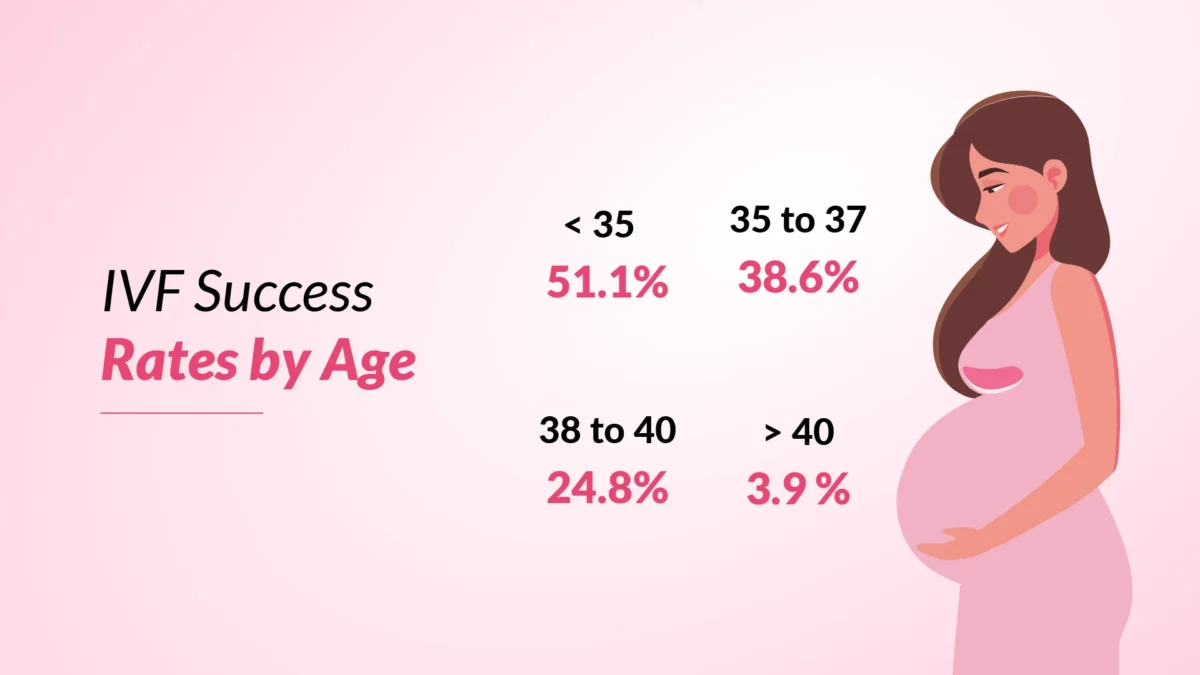
IVF Success Rates by Age group

IVF success is directly related to the quantity and quality of the eggs, which by nature fluctuate with age. When reserves in the ovaries are high and eggs are healthy, success chances are the best. With progressive deterioration in the quality of eggs, success could be slightly less, although many achieve pregnancy with proper medical treatment. As eggs continue to age, the process can become increasingly difficult, but contemporary methods such as sophisticated IVF methods or donor eggs tend to overcome such obstacles.

The trend is evident – earlier attempts tend to have better prospects, but IVF still makes things possible even at older ages with the right planning and guidance.

Why does age impact IVF Success?

As women age, two critical changes occur:

  1. Egg quantity declines: You are born with a finite number of eggs, and by your 30s, your ovarian reserve shrinks significantly.
  2. Egg quality decreases: Older eggs are more likely to have chromosomal issues reducing IVF success.

This is why advanced techniques like Preimplantation Genetic Testing (PGT) are often recommended after 35 to boost your chances.

Should you freeze your eggs?

If you are not ready for a baby yet, egg freezing in your late 20s or early 30s is a game changer. It preserves your younger, healthier eggs for future IVF cycles, giving you flexibility and higher success rates down the road.

IVF after 35 0r 40: Is it worth it?

Absolutely, but realistic expectations are key. After 35,  IVF is still highly effective, especially with tailored protocols or donor eggs. After 40, success rates drop, but many women achieve pregnancy with donor eggs or by optimizing embryo quality. Consult a fertility specialist to craft a plan that fits your unique needs.

When to start IVF?

Consider IVF if :

  • You’re 35 and haven’t conceived naturally after 6 months.
  • You face fertility challenges like PCOS or low AMH.
  • Previous treatments like IUI haven’t worked.
  • You’re planning a later pregnancy and want to preserve fertility

Your IVF journey starts now…

Timing is everything in your IVF journey, and while under 35 is ideal for peak success, hope shines bright at any age. With personalized strategies, cutting-edge techniques and expert guidance, women in their 30s, 40s and beyond are embracing parenthood through IVF.

Don’t let age hold you back –take the first step now. Consult a fertility specialist, explore your options and unlock the possibilities of building your dream family. Your IVF success story starts with one bold decision today!


1695361768iui-vs-ivf-which-fertility-treatment-option-is-right-for-you.webp

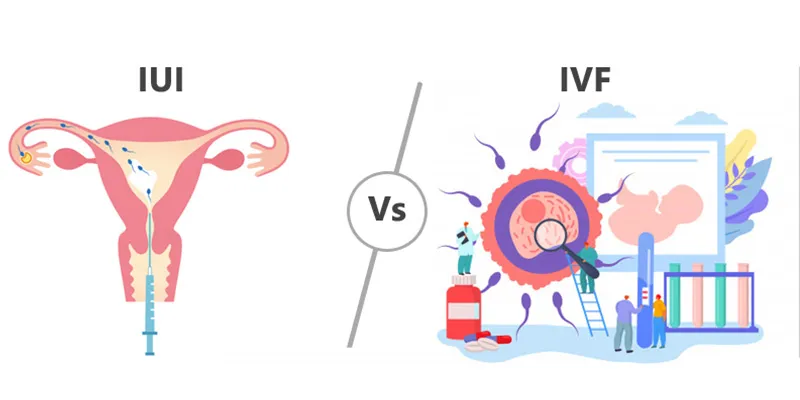
Struggling to conceive can be an emotional rollercoaster, and choosing the right fertility treatment feels like a daunting task. If you’re exploring options like IVF (In Vitro Fertilisation) or IUI (Intrauterine Insemination), you’re not alone —thousands of couples search for answers to questions like “Is IUI better than IVF for first-time couples?” or “Which is more successful: IVF or IUI? This blog breaks down the key differences, success rates, costs, and factors to help you decide which treatment is best for your journey to parenthood.

 IVF vs IUI : Key Differences

Understanding the core difference between IVF and IUI is the first step to making an informed choice:

  • IUI (Intrauterine Insemination) – A simpler, less invasive procedure where specially prepared sperm are placed directly into the uterus during ovulation, reducing the sperm’s journey to the egg and increasing chances of fertilization. This process supports natural fertilization inside the body, making it a popular first step for couples with mild fertility issues.
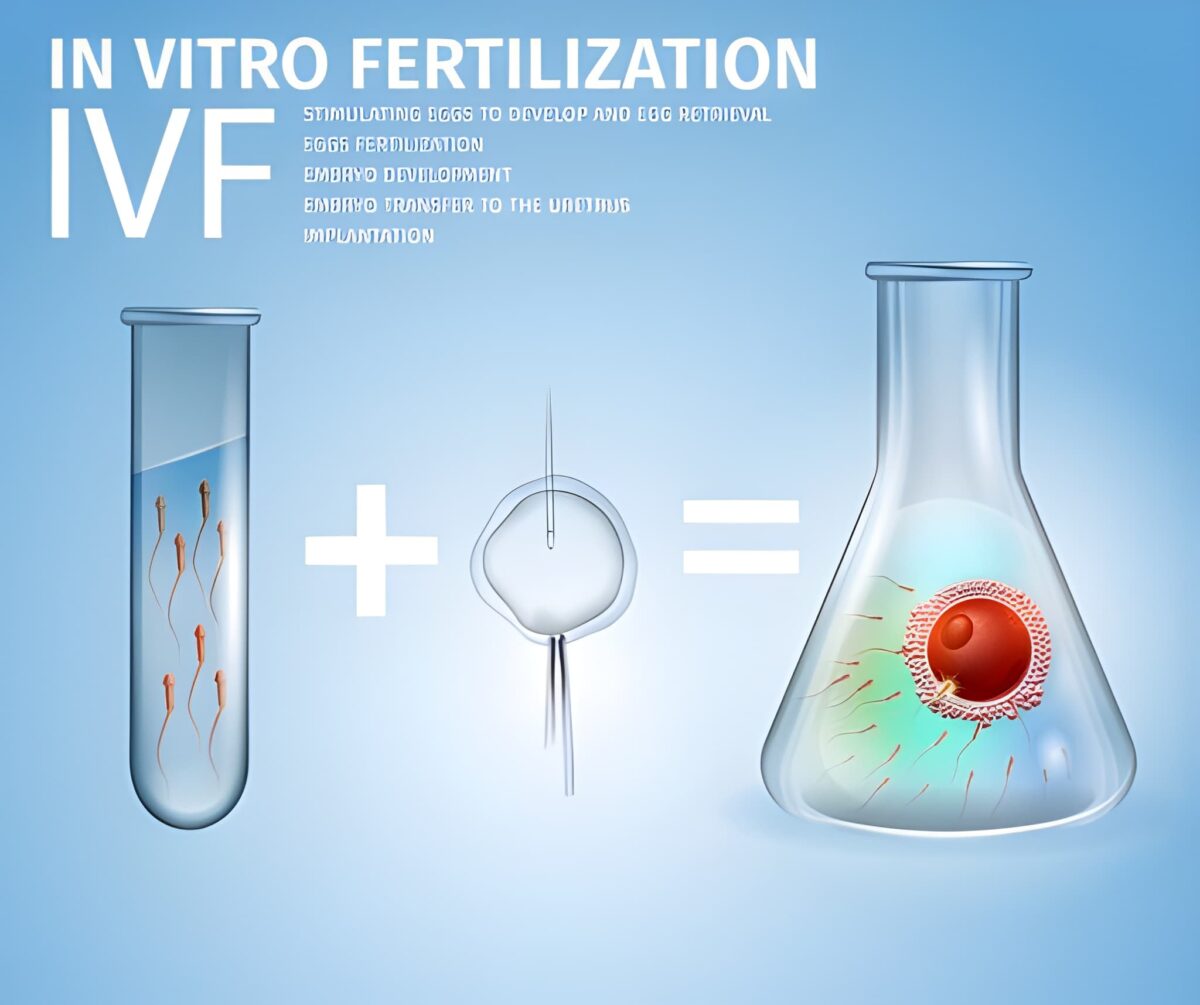
  • IVF (In Vitro Fertilisation) – A more advanced fertility treatment involving several steps. First, the ovaries are stimulated with hormones to produce multiple eggs. These eggs are then retrieved and fertilized outside the body in a laboratory setting. The resulting embryos are monitored, and the healthiest one(or more) is transferred into uterus. IVF is particularly beneficial for couples facing blocked fallopian tubes, severe male infertility, age- related factors, PCOS, or when other treatments (like IUI) have not worked.

IVF vs IUI Pros and Cons

IUI

  • Less invasive and less expensive
  • Minimal use of medications
  • Lower per-cycle success rates
  • Best for mild infertility issues and first line treatment

IVF

  • Higher success rates, especially for complex cases
  • Can help with a wider range of fertility problems
  • More invasive, involving hormone Injections, egg retrieval, and embryo transfer
  • Higher costs and time commitment

Is IUI or IVF Right for You?

  • Choose IUI if – You are under 35, have mild fertility issues (e.g., unexplained infertility), or want a less invasive option.
  • Choose IVF if – You’re over 35, have blocked tubes, severe male infertility, PCOS, or endometriosis, or after 3–6 failed IUI cycles.

PCOS or age-related concerns? IVF often outperforms IUI for these conditions.

Pain comparison: IVF vs IUI 

  • IUI– Feels like a Pap smear— quick and minimally

. IVF– Involves injections and egg retrieval (under anaesthesia). It’s more invasive but manageable.

How to decide: IVF or IUI?

Ask your fertility specialist:

  • What’s causing our infertility?
  • How long have we been trying?
  • Are age or sperm qualities factors?
  • What’s our budget?

Your doctor will guide you based on your health and fertility goals

Final Take: IVF or IUI?

Choosing between IUI and IVF is a deeply personal decision, but both offer hope on your journey to parenthood. IUI is a great starting point for younger couples with mild issues, while IVF offers higher success for complex cases or those over 35 age group. Partner with a trusted fertility expert to explore your options and take confidence steps toward building your family. Your dream of holding your little one is closer than you think– start your journey today!


Dr_Soumya_Dash_Logo_White_img


In short words


Dr. Soumya Dash, Odisha’s leading fertility specialist, is an award-winning expert known for transforming lives through advanced reproductive care. Renowned for exceptional success rates and compassionate support, Dr. Dash is a trusted name in helping families achieve parenthood dreams.


Get in touch


(+91)  837 500 8561
(+91)  826 085 9778
drsoumya.dash13@gmail.com


Copyright by RabbitM 2024. All rights reserved.