

Thin Endometrium: Understanding the Condition and Advanced Treatment Options
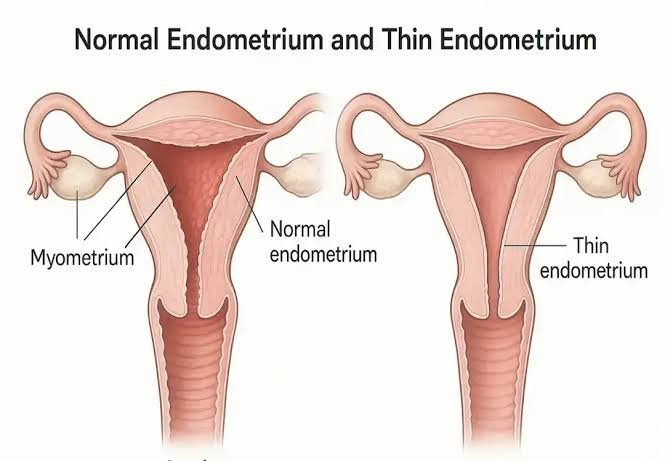
For many couples undergoing IVF treatment, every stage of the process feels like an important milestone. From egg retrieval to embryo development, several factors influence the chances of a successful pregnancy. One such crucial factor is the health of the endometrium, the inner lining of the uterus where the embryo implants. When this lining remains thinner than expected, it is known as a thin endometrium, and it can sometimes affect implantation and pregnancy outcomes.
With advancements in fertility medicine, there are now newer approaches that help improve endometrial thickness and create a more favourable environment for embryo implantation.
What Is Thin Endometrium?
The endometrium naturally thickens during the menstrual cycle under the influence of hormones, preparing the uterus for a possible pregnancy. During IVF treatment, doctors closely monitor the endometrial lining through ultrasound scans.
Generally, an endometrial thickness of around 7 mm or more is considered favourable for embryo transfer. When the lining remains thin despite hormonal support, it may reduce the chances of successful implantation.
What Causes a Thin Endometrium?
Several factors can contribute to poor endometrial growth, including:
- Previous uterine surgeries or procedures
- Scar tissue inside the uterus (Asherman’s syndrome)
- Chronic infections or inflammation of the uterine lining
- Reduced blood flow to the uterus
- Hormonal imbalance
- Previous repeated IVF failures
Identifying the underlying cause is important because treatment needs to be personalised for every woman.
New Treatment Options for Thin Endometrium
Fertility treatments have evolved significantly, and doctors now have multiple options to improve endometrial health.
- Optimising Hormonal Support
Oestrogen plays an important role in building the uterine lining. Doctors may adjust the dose, duration, or method of hormone administration to encourage better endometrial development.
- Improving Uterine Blood Flow
Adequate blood circulation helps the endometrium respond better. Certain medications, lifestyle modifications, and supportive therapies may be recommended to improve blood flow to the uterus.
- Platelet-Rich Plasma (PRP) Therapy
PRP therapy is an emerging technique where concentrated platelets from the patient’s own blood are introduced into the uterus. Growth factors present in platelets may support tissue repair and improve endometrial receptivity in selected cases.
- Treating Uterine Problems
If conditions such as fibroids, polyps, infections, or adhesions are affecting the endometrium, treating these problems may improve the chances of successful implantation.
- Advanced Fertility Assessment
In some cases, doctors may recommend specialised tests to understand the timing and quality of endometrial receptivity. These evaluations help determine the ideal time for embryo transfer.
Personalised Care Matters
Every woman’s fertility journey is different. A treatment that works for one person may not be suitable for another. A detailed evaluation of medical history, previous IVF attempts, hormonal levels, and uterine health helps doctors choose the right approach.
For women facing challenges related to thin endometrium, consulting an experienced fertility specialist can make a significant difference. Dr Soumya Dash, the Best gynaecologist in Bhubaneswar, provides personalised fertility care with a focus on understanding each patient’s unique needs and offering advanced treatment options.
Conclusion
A thin endometrium can be a challenge during IVF, but it does not mean that pregnancy is impossible. With modern fertility techniques, improved diagnosis, and personalised treatment plans, many women with thin endometrium can achieve successful outcomes. Early consultation and the right medical guidance can help improve the chances of a healthy pregnancy.